

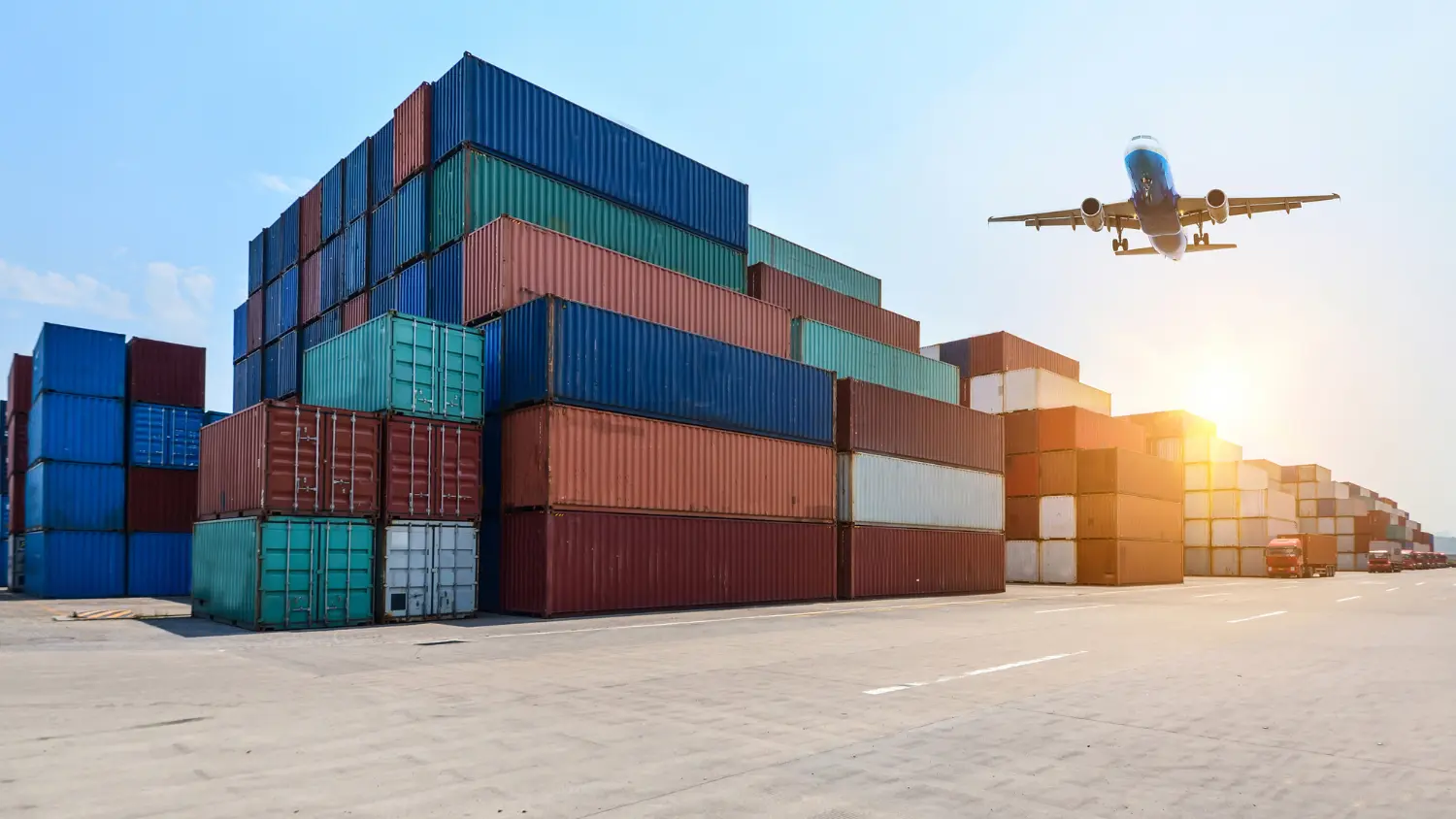
The global logistics landscape has entered a decisive phase of transformation. Political uncertainty, labor disruptions, climate events, and rapid digitalization have permanently altered how goods move worldwide. As a result, 2025 supply chain trends are no longer theoretical forecasts. They are operational realities shaping decisions across manufacturing, transportation, and trade. Companies now face higher expectations for resilience, visibility, and speed.
At the same time, customers demand reliability despite growing uncertainty. Therefore, logistics leaders must rethink sourcing strategies, transportation networks, and risk management models. These shifts affect every part of the supply chain, from ports and carriers to cold storage and final delivery. Understanding these changes is essential for businesses that want to remain competitive in an increasingly volatile global market.
2025 Supply Chain Trends Driven by Global Disruption
One of the most defining 2025 supply chain trends is the normalization of disruption. Tariffs, geopolitical conflicts, strikes, and unexpected crises now occur with alarming frequency. Consequently, supply chains designed for cost efficiency alone are no longer sufficient. Companies are prioritizing flexibility and risk diversification. Many businesses now rely on multi-country sourcing instead of single-origin suppliers.
Additionally, logistics planning increasingly includes contingency routes and alternative ports. These changes reduce dependency on any one region. Moreover, organizations are building stronger relationships with logistics partners to react faster during disruptions. As uncertainty continues, the ability to adapt quickly becomes a strategic advantage rather than a backup plan.
Resilience Over Efficiency in Global Logistics Planning
For decades, lean supply chains focused on minimizing inventory and costs. However, 2025 supply chain trends reveal a shift toward resilience-first models. Businesses now accept slightly higher costs in exchange for stability. Buffer inventories, regional warehouses, and nearshoring strategies are gaining momentum. This approach shortens lead times and reduces exposure to overseas delays.
Furthermore, companies are investing in supplier redundancy to avoid production shutdowns. Resilient supply chains also rely on transparent communication between stakeholders. When disruptions occur, rapid coordination allows faster recovery. Ultimately, resilience protects revenue, brand reputation, and long-term customer trust.
Technology and Data at the Core of Modern Supply Chains
Digital transformation stands at the center of 2025 supply chain trends. Advanced analytics, artificial intelligence, and real-time tracking tools now support smarter decision-making. Companies use predictive data to anticipate delays before they occur.
Meanwhile, visibility platforms provide live updates across multimodal transport routes. This transparency helps logistics teams respond immediately to risks. Additionally, automation improves warehouse efficiency and reduces labor dependency.
Cloud-based systems allow seamless collaboration across global teams. As technology adoption accelerates, supply chains become more responsive and data-driven. Businesses that fail to invest in digital tools risk falling behind competitors that operate with greater speed and accuracy.
Trade Policy Shifts and Their Impact on Logistics Networks
Trade regulations continue to reshape global supply chains. New tariffs and policy changes are key elements of 2025 supply chain trends. These measures force companies to reassess trade lanes and sourcing decisions. In response, many businesses are relocating production closer to end markets. Others are restructuring contracts to mitigate cost fluctuations. Compliance management has also become more complex.
Accurate documentation and regulatory awareness are now essential to avoid costly delays. Logistics providers play a critical role in navigating these changes. Their expertise helps businesses adapt to evolving trade environments while maintaining efficient cross-border operations.
Cold Chain and Temperature-Controlled Logistics Expansion
Temperature-sensitive logistics is experiencing rapid growth. Food, pharmaceuticals, and biotech products increasingly require controlled environments. As part of 2025 supply chain trends, cold chain infrastructure is expanding worldwide. Companies invest in advanced reefer containers, smart sensors, and monitoring platforms. These technologies ensure product integrity across long distances.
Additionally, stricter regulations demand precise temperature documentation. Failure to comply can lead to rejected shipments and financial losses. As demand rises, logistics providers with cold chain expertise gain a competitive edge. Reliable refrigerated transport is no longer optional. It is a critical requirement for many global industries.
Advantages of Adapting Early to 2025 Supply Chain Trends
Organizations that embrace 2025 supply chain trends early gain measurable advantages. First, proactive adaptation reduces operational risk. Businesses experience fewer disruptions and recover faster when issues arise. Second, improved visibility strengthens customer confidence through accurate delivery expectations. Third, diversified sourcing and transport strategies stabilize costs over time.
Moreover, digital tools enhance efficiency while supporting sustainability goals. Companies also benefit from stronger partnerships with logistics providers. These relationships enable customized solutions and faster response times. Ultimately, early adopters position themselves for long-term growth in a challenging global environment.
Sustainability and Ethical Supply Chain Practices
Sustainability has moved from a branding concept to a strategic necessity. Environmental responsibility now features prominently among 2025 supply chain trends. Companies face pressure from regulators, customers, and investors to reduce emissions. As a result, logistics networks are becoming more eco-conscious. Route optimization lowers fuel consumption. Alternative fuels and energy-efficient equipment gain adoption.
Additionally, ethical sourcing practices improve transparency across supply chains. These efforts not only reduce environmental impact but also strengthen corporate credibility. Sustainable logistics is now a business imperative rather than an optional initiative.
Conclusion
The evolution of global logistics reflects deeper structural change. 2025 supply chain trends highlight a world where resilience, technology, and adaptability define success. Companies must prepare for ongoing disruption while meeting rising customer expectations. Strategic investments in visibility, cold chain capabilities, and diversified sourcing create stronger supply networks. Businesses that act now will navigate uncertainty with confidence.
Those that delay risk falling behind in a rapidly changing market. For organizations seeking reliable logistics support, partnering with experienced providers is essential. Dark Blue Shipping helps businesses adapt to these trends with tailored international transport solutions. Contact our specialists today to strengthen your supply chain for the future.