

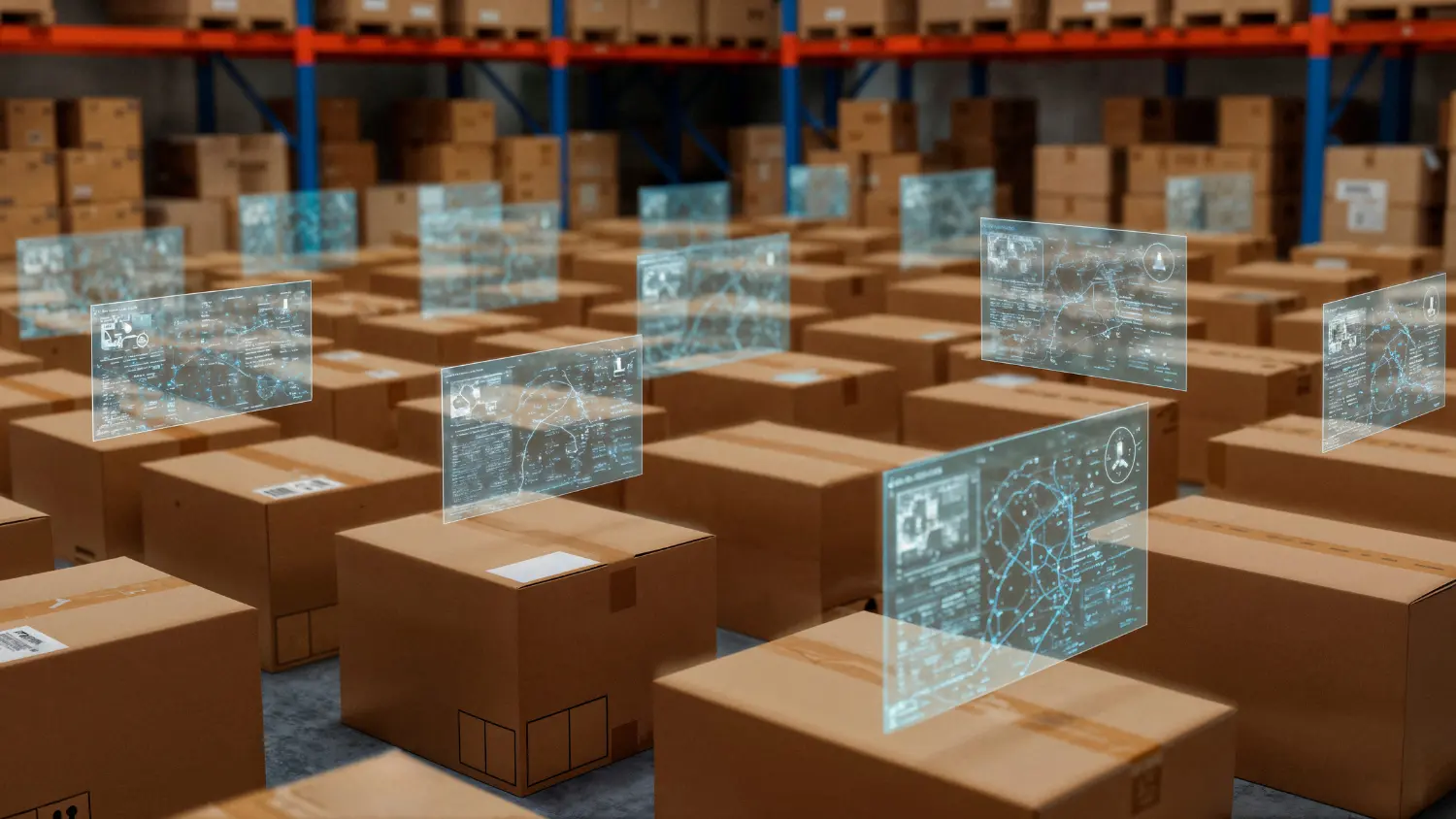
E-commerce Logistics has emerged as a powerful force transforming global transportation and supply chain structures. Today’s customers expect speed, full visibility, and flexibility across every touchpoint. Because of this shift, traditional freight models no longer satisfy modern fulfillment requirements. Instead, E-commerce Logistics networks must handle smaller shipment sizes, shorter delivery windows, and uninterrupted service availability.
At the same time, parcel volume growth, regional fulfillment strategies, and rapid technology adoption continue to accelerate. These developments influence trucking, LTL, air freight, ocean shipping, and intermodal transportation equally. For B2B shippers, the challenge within E-commerce Logistics is no longer limited to moving goods. It now centers on balancing cost efficiency, service performance, and network reliability.
This article examines how E-commerce Logistics is reshaping freight and transportation strategies. It also outlines what logistics and supply chain leaders must do to stay competitive. Most importantly, it highlights practical adjustments that enable businesses to scale operations while protecting margins and maintaining service quality.
E-commerce Logistics and the Shift Away From Traditional Freight
For decades, freight flowed from suppliers to large distribution centers, then onward to retail stores. However, E-commerce Logistics has disrupted this structure. Inventory now moves closer to consumers. Orders are smaller, more frequent, and highly time-sensitive.
As a result, truckload density has declined while parcel and LTL volumes have surged. Traditional multi-stop truckload routes no longer dominate. Instead, logistics networks rely on regional hubs, micro-fulfillment centers, and last-mile partners.
This shift places pressure on transportation budgets and operational planning. Companies must manage more shipments with fewer consolidation opportunities. Therefore, freight strategy now focuses on flexibility rather than scale alone.
Parcel Networks Under Pressure From E-commerce Growth
Parcel carriers sit at the center of E-commerce Logistics expansion. Daily package volumes have grown dramatically over the past decade. At the same time, delivery density has declined due to residential shipments.
Major carriers face rising costs tied to labor, fuel, and service complexity. Consequently, they have become more selective about freight. Lightweight, low-density packages often generate less margin. As a result, accessorial charges and pricing discipline continue to increase.
Meanwhile, large retailers and marketplaces are building private delivery networks. Regional carriers and local couriers are also gaining traction. For shippers, this creates both risk and opportunity. Smart carrier diversification is now essential.
Trucking and Regionalization of Inventory
E-commerce Logistics has fundamentally changed trucking demand patterns. Long-haul routes are declining, while regional and short-haul moves continue to rise. This change stems from forward-positioned inventory near population centers.
Instead of shipping products across the country, companies replenish local fulfillment nodes more frequently. As a result, regional truckload and LTL movements replace long-distance expedited freight. This trend also reshapes capacity planning. Trucking networks must balance flexibility with sustainability. Shippers that adapt routing strategies early gain better cost control and service consistency.
Why LTL Freight Is Gaining Strategic Importance
LTL freight plays a growing role in E-commerce Logistics. Smaller fulfillment centers require frequent replenishment. These shipments often align better with LTL networks than full truckloads.
Additionally, both B2B and B2C e-commerce benefit from LTL flexibility. Carriers can support mixed freight, shorter lanes, and predictable service schedules. However, pricing structures are evolving. Dimensional and density-based pricing increasingly reflect true cost-to-serve.
For shippers, success depends on shipment optimization. Proper packaging, accurate classification, and network fit now determine pricing outcomes more than volume alone.
Air Cargo and Ocean Freight in a Speed-Driven Market
Speed continues to influence modal decisions within E-commerce Logistics. High-value and time-sensitive goods increasingly shift from ocean to air. Consumer tolerance for delivery delays remains low.
At the same time, ocean freight still anchors global supply chains. However, longer transit times and port disruptions increase inventory risk. Therefore, many shippers adopt hybrid strategies. They balance ocean freight for base demand and air cargo for rapid replenishment.
This approach reduces stockouts while managing cost volatility. Strategic mode selection now plays a central role in competitive fulfillment.
Intermodal’s Role in Scalable E-commerce Logistics
Intermodal transportation continues to gain relevance as E-commerce Logistics evolves. Rail-supported networks help move freight efficiently over medium and long distances. At the same time, intermodal reduces emissions and highway congestion.
New inland terminals and transloading strategies extend reach beyond congested ports. By shifting operations inland, companies improve land access, labor availability, and visibility. Moreover, better data integration across rail, truck, and terminal operations reduces blind spots. Visibility improvements help shippers manage inventory flow with greater confidence.
Advantages of Strategic E-commerce Logistics Planning
A strategic approach to E-commerce Logistics delivers measurable benefits. First, it improves cost predictability through better carrier alignment. Second, it increases service reliability by matching freight to the right mode. In addition, visibility tools enhance decision-making. Shippers gain earlier alerts and clearer delivery expectations. Over time, this reduces customer complaints and operational firefighting.
Most importantly, strategic logistics planning supports scalable growth. Companies can expand volume without sacrificing service or margin. That balance defines long-term competitiveness in modern freight markets.
Conclusion
E-commerce Logistics is no longer a trend; it is a competitive requirement. Companies that succeed are those that design logistics networks around speed, visibility, and cost control. However, navigating parcel markets, LTL strategies, modal shifts, and regional fulfillment is complex and constantly changing.
That is why expert guidance matters. If your business is looking to optimize E-commerce Logistics, reduce hidden costs, and build a scalable transportation strategy, our specialists are ready to help. Contact our logistics experts today to evaluate your network, identify opportunities, and turn logistics into a real growth advantage.