

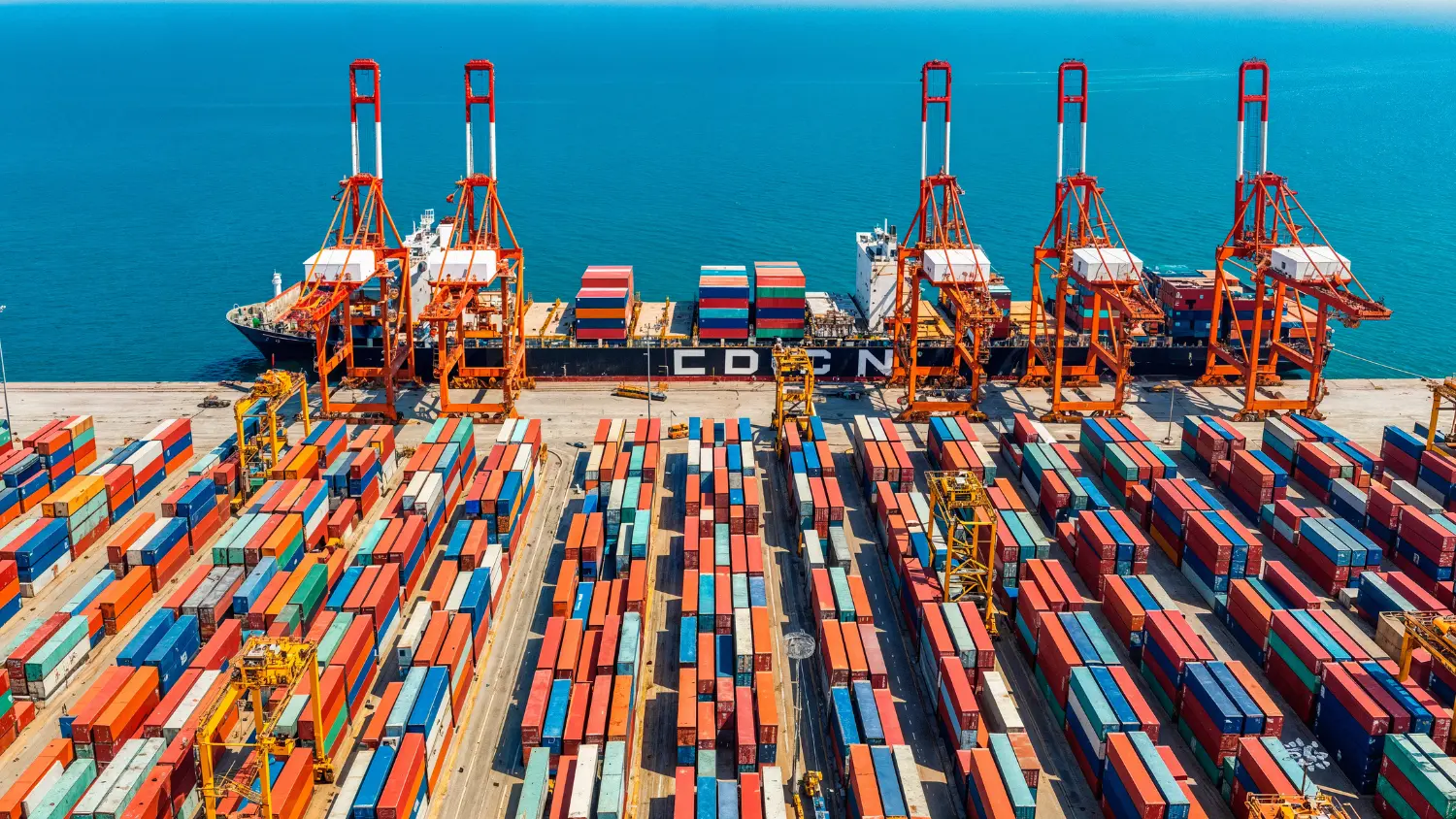
The US Tariffs Impact on Shipping has become a major concern for global businesses in 2026. Trade tensions, political uncertainty, and new tariff proposals are reshaping international logistics decisions. Many companies now rush shipments to avoid potential duty increases. As a result, container demand rises quickly, while ports face congestion and storage pressure.
At the same time, manufacturers are reviewing sourcing strategies and transportation routes. Some are shifting production locations, while others are building inventory buffers. These rapid adjustments increase operational complexity and cost risks.
Therefore, companies must move beyond reactive decisions. They need stronger planning, reliable partners, and flexible logistics networks. Understanding how tariffs influence freight costs, capacity, and trade flows is now essential for maintaining service levels and protecting margins.
Tariff Announcements Are Driving Short-Term Shipping Surges
New tariff threats have already changed shipping behavior across major trade lanes. Many importers are accelerating shipments to move goods early, reflecting the growing US Tariffs Impact on Shipping before new duties take effect. This frontloading strategy, driven by the US Tariffs Impact on Shipping, increases short-term container demand and tightens capacity.
However, this rush creates side effects. Freight rates often rise due to sudden demand spikes. Inland transportation and warehousing costs also increase. In addition, ports may experience congestion when large volumes arrive simultaneously.
Moreover, uncertainty about final tariff levels makes planning difficult. Some proposed rates include 25% on Canada and Mexico, 10–20% on other countries, and up to 60% on certain Chinese goods. Even without full implementation, these announcements alone influence shipping decisions and market volatility.
Long-Term Supply Chain Shifts Are Accelerating
While short-term demand spikes attract attention, the long-term US Tariffs Impact on Shipping may be more significant. Many companies are reconsidering global sourcing strategies to reduce exposure to trade risk. For example, some manufacturers are moving production closer to the United States. Others are shifting sourcing from China to alternative regions such as Mexico or Southeast Asia. Nearshoring and regional distribution models are gaining momentum.
However, these changes take time and require careful logistics redesign. New trade lanes must be developed. Supplier networks must be validated. Inventory strategies must also adapt to longer or more complex routes. In addition, retaliatory tariffs from other countries could reduce U.S. export volumes, creating imbalances between full and empty containers.
Ocean Freight Alliances Are Reshaping Capacity Options
Structural changes in carrier cooperation are also influencing global shipping. The end of the 2M alliance between major ocean carriers in 2025 marks a turning point for the industry. New partnerships are emerging, including the Ocean Alliance, Gemini Cooperation, and Premier Alliance. Currently, major alliances operate roughly one-third of global fleet capacity, equivalent to about 11 million TEU.
The Ocean Alliance alone controls approximately 4.39 million TEU, followed by new cooperative structures with smaller capacity shares. Meanwhile, some carriers plan to expand independent services with direct port connections. For shippers, these changes create both opportunities and risks. Service networks may improve, but schedules, transit times, and capacity availability will continue to evolve.
Trade Conflicts Are Increasing Operational Complexity
The global trade environment is becoming more fragmented. In response to U.S. measures, other regions are introducing their own tariffs and countermeasures. A clear example is the European Union’s action on electric vehicles from China. New duties range from 17% to 35.3%, in addition to the existing 10% import tariff. Before implementation, European ports experienced a surge of vehicle imports, causing congestion and storage challenges.
Such reactions demonstrate how quickly tariff policies can disrupt logistics flows. Sudden volume spikes, equipment shortages, and terminal congestion increase operational risk for shippers. Therefore, flexibility and real-time visibility are critical for managing unpredictable trade environments.
Benefits of Strategic Planning Under Tariff Pressure
Companies that prepare early can reduce the financial and operational impact of tariffs. Proactive logistics planning offers several advantages:
First, early shipment scheduling helps avoid last-minute capacity shortages. Second, diversified sourcing reduces dependence on high-risk trade lanes. Third, optimized routing can lower total landed costs despite higher duties.
Additionally, working with experienced freight partners improves customs compliance and documentation accuracy. This reduces clearance delays and unexpected charges.
Most importantly, scenario planning allows businesses to respond quickly as tariff policies change, protecting service continuity and customer satisfaction.
Resilient Logistics Partners Create Competitive Advantage
In today’s uncertain environment, logistics resilience is no longer optional. Global contract logistics continues to grow despite geopolitical pressure. The market expanded about 3.6% in 2024, reaching approximately €294.3 billion.
Growth remains strongest in Asia, with annual increases above 7%, while North America and Europe expand more slowly. At the same time, major logistics providers are investing heavily through mergers and acquisitions to strengthen global networks.
Conclusion
The US Tariffs Impact on Shipping is reshaping global trade patterns, freight costs, and supply chain strategies. Short-term volume surges, long-term sourcing changes, and evolving carrier networks will continue to influence logistics performance. Businesses that act early can turn uncertainty into opportunity. Strategic planning, diversified sourcing, and expert logistics support help control risk and maintain service reliability.
If your company is facing tariff-related challenges, our ocean freight and customs specialists are ready to help. Contact our team today to get a competitive rate, optimize your shipping strategy, and keep your global supply chain moving with confidence.