

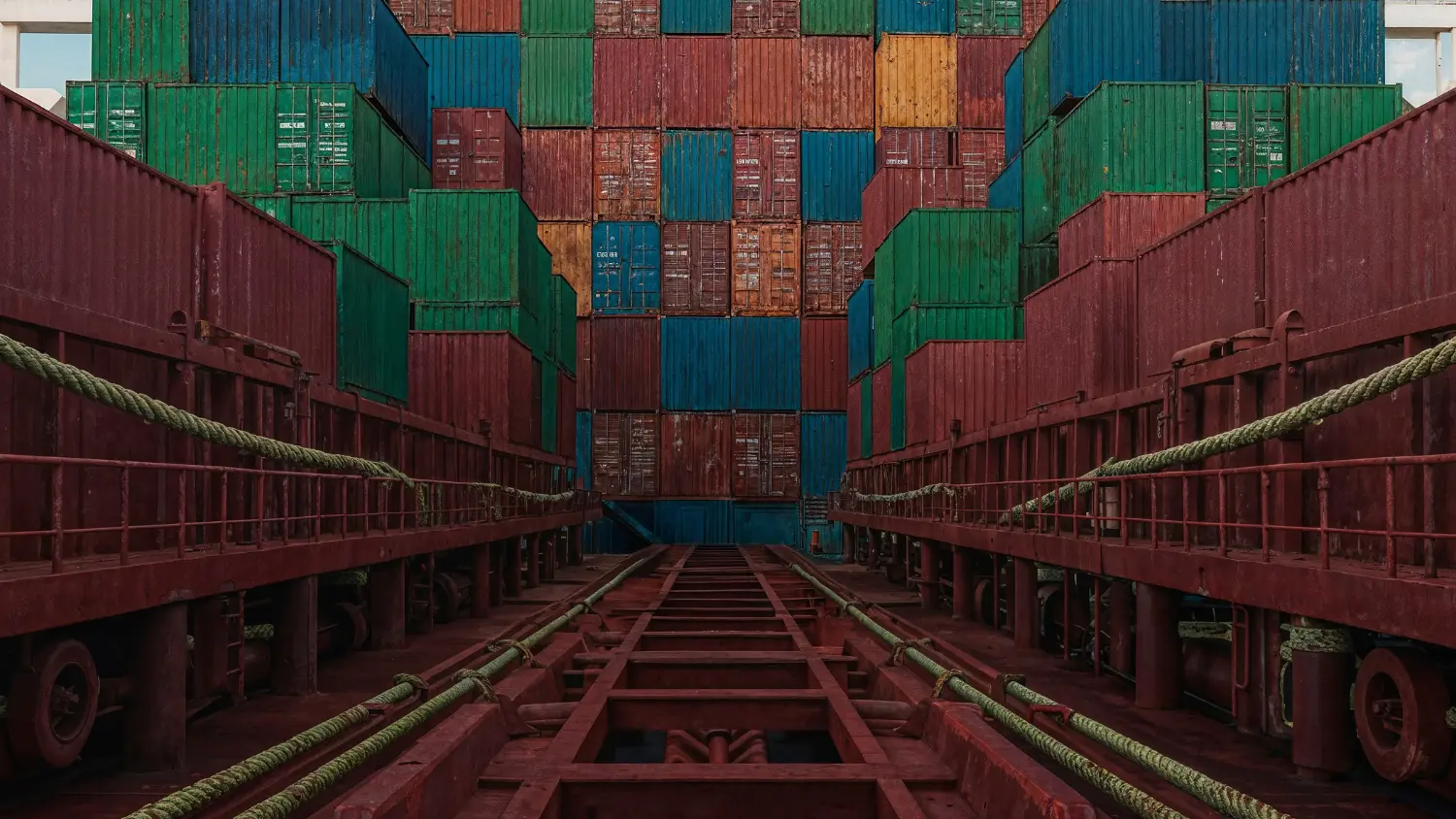
The Dry Bulk Shipping Market Shows Signs of Recovery
The Dry Bulk Shipping Market is showing renewed strength, with the Capesize segment leading the latest recovery. Improving market sentiment and stronger chartering activity have supported freight rates across both the Atlantic and Pacific basins. This development highlights the importance of understanding regional supply and demand dynamics. It also demonstrates how commodity movements and vessel availability influence freight market performance.
For shipowners, charterers, and international traders, these developments create new commercial opportunities. Nevertheless, understanding the factors behind this recovery remains essential for making informed shipping decisions.
1. Capesize Market Recovery Drives the Dry Bulk Shipping Market
Initially, the Pacific market showed relatively limited movement. C5 iron ore fixtures remained around the high $13s to $14 per tonne. Major mining companies, including Rio Tinto and BHP, maintained a measured approach to their shipping requirements. However, competition for prompt vessel availability gradually increased. As a result, freight rates moved above the $14 level on the Western Australia–China route.
This development reflects an important relationship between cargo demand and available shipping capacity. When several charterers compete for suitable vessels, shipowners gain stronger negotiating positions. Meanwhile, activity across the Atlantic basin also contributed to the broader recovery. Stronger fixing interest supported market sentiment and encouraged greater competition among charterers.
2. Atlantic and Pacific Routes Influence Freight Market Performance
In the Pacific, iron ore transportation remains a central source of Capesize demand. Australia supplies substantial quantities of iron ore to China, creating significant shipping activity along established trade routes. The Western Australia–China route, commonly known as C5, provides an important market indicator. Its freight levels reflect changes in cargo availability, vessel supply, and chartering competition. Initially, C5 fixtures remained relatively subdued during the reported week. However, increasing competition for prompt tonnage encouraged freight rates to move higher.
The Atlantic market also contributed to improving sentiment. Brazil–China iron ore shipments represent another important component of global Capesize employment. These long-distance voyages influence vessel positioning and overall tonnage availability. Therefore, changes in Atlantic activity can affect freight conditions in other regions.
3. Key Factors Supporting the Dry Bulk Shipping Market Recovery
Several factors explain the recent improvement in the Dry Bulk Shipping Market. However, stronger freight rates do not necessarily indicate a uniform increase in global commodity demand.
- Increased chartering activity: Stronger fixing activity across the Atlantic and Pacific has supported market recovery. More active chartering creates additional competition for available vessels.
- Limited prompt vessel availability: The availability of suitable vessels remains a major influence on freight pricing. When charterers require immediate transportation, competition can push rates higher.
- Iron ore transportation: Iron ore remains one of the most important commodities in the Capesize segment. Major exporters, particularly Australia and Brazil, play an essential role in international trade flows.
- Improved market sentiment: Greater confidence among market participants can encourage more active negotiations. Consequently, owners may achieve stronger freight rates when chartering demand improves.
- Regional market dynamics: Differences between Atlantic and Pacific trading conditions also influence vessel positioning. Changes in cargo volumes and voyage distances can affect the balance between available ships and transportation requirements.
4. Business Opportunities in the Recovering Dry Bulk Shipping Market
A recovering Dry Bulk Shipping Market can create several commercial advantages for shipping companies, cargo owners, and international traders.
- For shipowners, stronger freight rates can improve vessel earnings and operational profitability. Increased chartering competition may also provide better negotiating opportunities, particularly for vessels available at short notice.
- Charterers can benefit from understanding regional market movements. By monitoring freight trends and planning shipments strategically, they can identify suitable transportation opportunities and manage logistics expenses more effectively.
5. Challenges and Risks Facing the Dry Bulk Shipping Market
Variations in mining exports can affect shipping requirements. Any disruption to major exporting regions may change vessel positioning and transportation patterns. Seasonal fluctuations also influence dry bulk shipping activity. Weather conditions, port congestion, and changes in commodity purchasing schedules can affect cargo movements.
Another important challenge involves market volatility. Freight rates can change quickly when chartering activity increases or available tonnage becomes limited. Consequently, shipping companies should avoid relying exclusively on short-term market improvements. Instead, they should evaluate freight trends alongside operational costs, vessel availability, and broader commodity market developments.
6. What the Recent Recovery Means for International Shipping Companies
The latest developments in the Dry Bulk Shipping Market offer important insights for companies involved in international commodity transportation.
- First, the Capesize recovery demonstrates how quickly regional chartering conditions can influence freight rates. Businesses that monitor market activity regularly can respond more effectively to changing transportation requirements.
- Second, vessel availability remains a critical consideration. Companies should evaluate suitable vessel options early, particularly when arranging large-volume iron ore shipments.
- Third, regional market differences deserve close attention. The Atlantic and Pacific basins do not always experience identical supply and demand conditions. Therefore, freight quotations should reflect the specific route, cargo, and vessel requirements.
Working with experienced shipping professionals can make this process more efficient. A knowledgeable partner can help assess vessel suitability, coordinate cargo requirements, and identify practical transportation solutions.
Conclusion: Navigating Opportunities in the Dry Bulk Shipping Market
The Dry Bulk Shipping Market continues to offer opportunities for companies with effective planning and reliable shipping partnerships. At DarkBlueShipping, we understand the importance of dependable maritime solutions. Our team is ready to help you navigate your shipping requirements and explore suitable transportation opportunities.
Contact our experts today to discuss your cargo, receive professional guidance, and explore the right shipping arrangements for your business.