

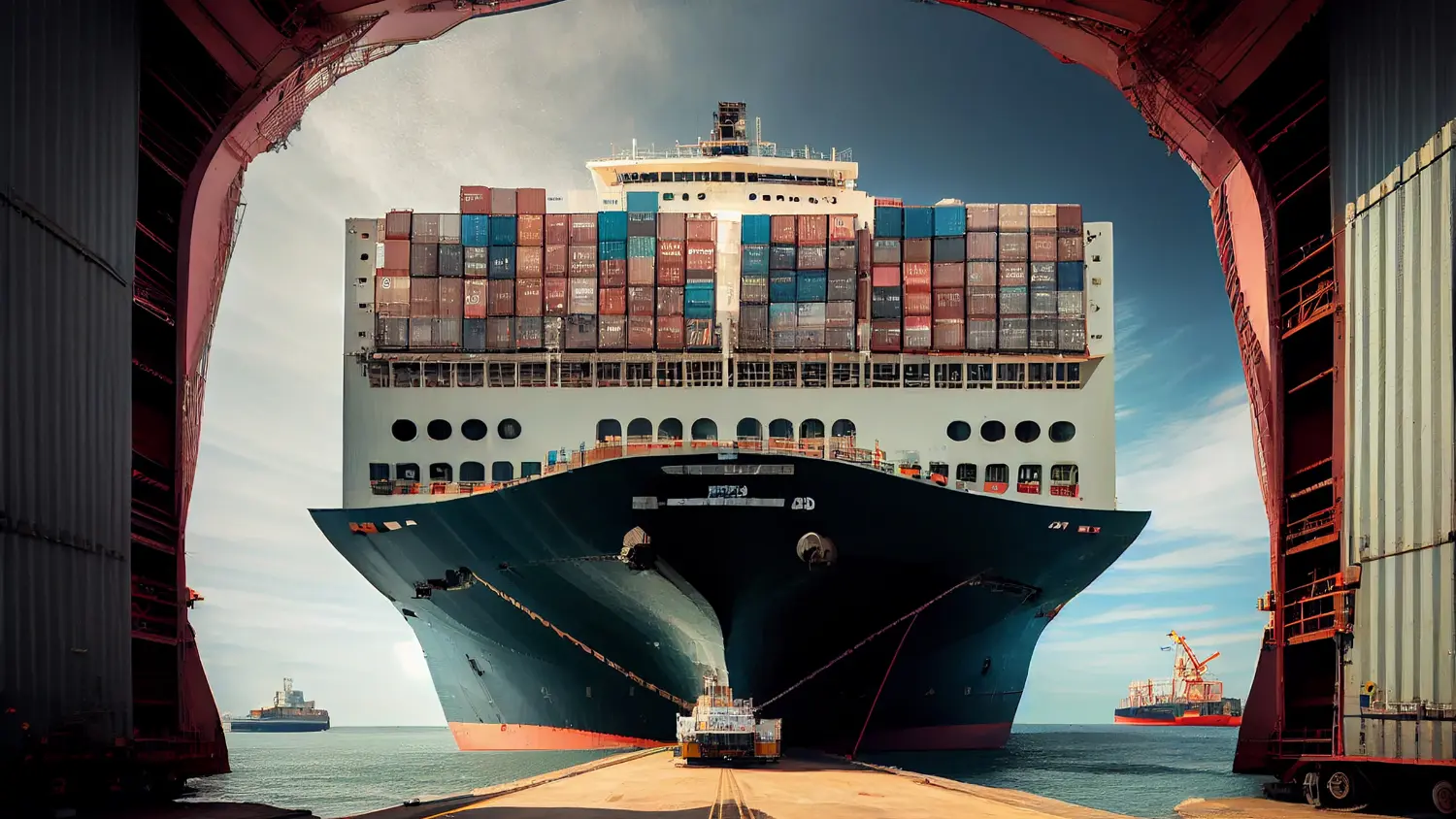
Many importers and exporters often ask, how does sea freight logistics work when managing international shipping processes. How does sea freight logistics work in real-world international trade? The answer involves a coordinated process that brings together shippers, carriers, freight forwarders, customs agents, and more. Sea freight plays a vital role in global commerce, especially for businesses shipping large volumes of goods.
From the initial booking to the final delivery at the buyer’s doorstep, each step must be managed carefully to ensure a smooth shipping experience. If you’re wondering how does sea freight logistics work, this article outlines the full journey—from documentation to customs and transport—so you can avoid delays, added costs, or compliance issues.
1. Booking and Documentation
The booking step is the foundation of the entire process, and a critical point when answering the question: how does sea freight logistics work in practice. This step is the initial phase in how sea freight logistics works, ensuring space is reserved and documentation is properly handled. The logistics process begins by securing space on a vessel.
Most businesses rely on freight forwarders to handle key shipping tasks, but many still ask: how does sea freight logistics work in terms of documentation? The shipper must submit a commercial invoice, packing list, and bill of lading to start the process. Accurate paperwork is essential to avoid costly delays and miscommunication.
Understanding how sea freight logistics work begins with proper booking and documentation. Errors at this stage can delay the entire process. Accurate shipment details, including cargo type, weight, and volume, help freight forwarders secure the best routes. Efficient documentation ensures smoother customs clearance and timely handover to shipping lines.
2. How Does Sea Freight Work During Cargo Collection?
After booking, the goods are collected from the shipper’s location and transported to the port. This might involve trucking or rail services. Timely coordination ensures the shipment reaches the port within the cut-off time for loading. Once booking is confirmed, the next stage in how sea freight logistics work involves reliable cargo collection. Ensuring the goods are safely packed and labeled reduces the risk of transit damage. Timely pickup by a trusted transport provider ensures the shipment reaches the port without missing the scheduled vessel.
3. Export Customs Clearance
Without proper documentation and compliance at this stage, the question of how does sea freight logistics work becomes complicated and delayed. Export clearance plays a key role in the overall sea freight logistics process, helping businesses stay compliant with regulations. Before departure, cargo must pass through export customs. This involves regulatory checks, verification of documentation, and clearance from local authorities.
Delays at this stage can disrupt the entire timeline. A crucial step in how sea freight logistics work is export customs clearance. Delays here often result from missing or incorrect documents. Working with experienced freight agents helps prevent issues by ensuring full compliance with international regulations, making it easier for goods to proceed to sea transport without penalties or rejections.
4. Sea Transport
Once cleared, the cargo is loaded onto the vessel. While sea transport is slower than air freight, it is far more economical and suitable for large or heavy shipments. Typical transit times vary depending on the trade route. To fully understand how sea freight logistics work, one must consider the dynamics of sea transport. Factors like shipping lane congestion, port delays, and carrier reliability impact overall efficiency. Choosing reputable carriers and planning around peak seasons can improve both transit times and cargo safety during ocean shipping.
5. Import Customs Clearance
On arrival at the destination port, the goods undergo import customs clearance. The importer must pay duties and taxes, and ensure all paperwork is in order. A freight forwarder often assists with this process to prevent delays. Another vital element of how sea freight logistics work is managing import customs. Late submission of documents or unpaid duties can hold cargo at the port. Proactive coordination with a customs broker helps importers navigate duties, taxes, and regulations smoothly, reducing supply chain disruptions and avoiding unnecessary storage fees.
6. Final Delivery
After customs clearance, the goods are delivered to the final recipient. This may involve local transport by truck or rail. Efficient planning at this stage ensures that the shipment reaches its destination on time and in good condition. The last step in how sea freight logistics work is the successful final delivery. Delays here can affect customer satisfaction and overall supply chain performance. Scheduling inland transport in advance and using real-time tracking systems helps ensure on-time delivery to the buyer’s warehouse or retail location.
Conclusion
If you’re wondering how does sea freight logistics work from end to end, understanding each step ensures better planning and fewer disruptions. Understanding how sea freight logistics work is essential for anyone involved in global trade. From documentation to final delivery, each step must be handled with precision. With experienced logistics partners like DarkBlueShipping, businesses can optimize shipping performance, reduce delays, and ensure smooth international trade operations.