

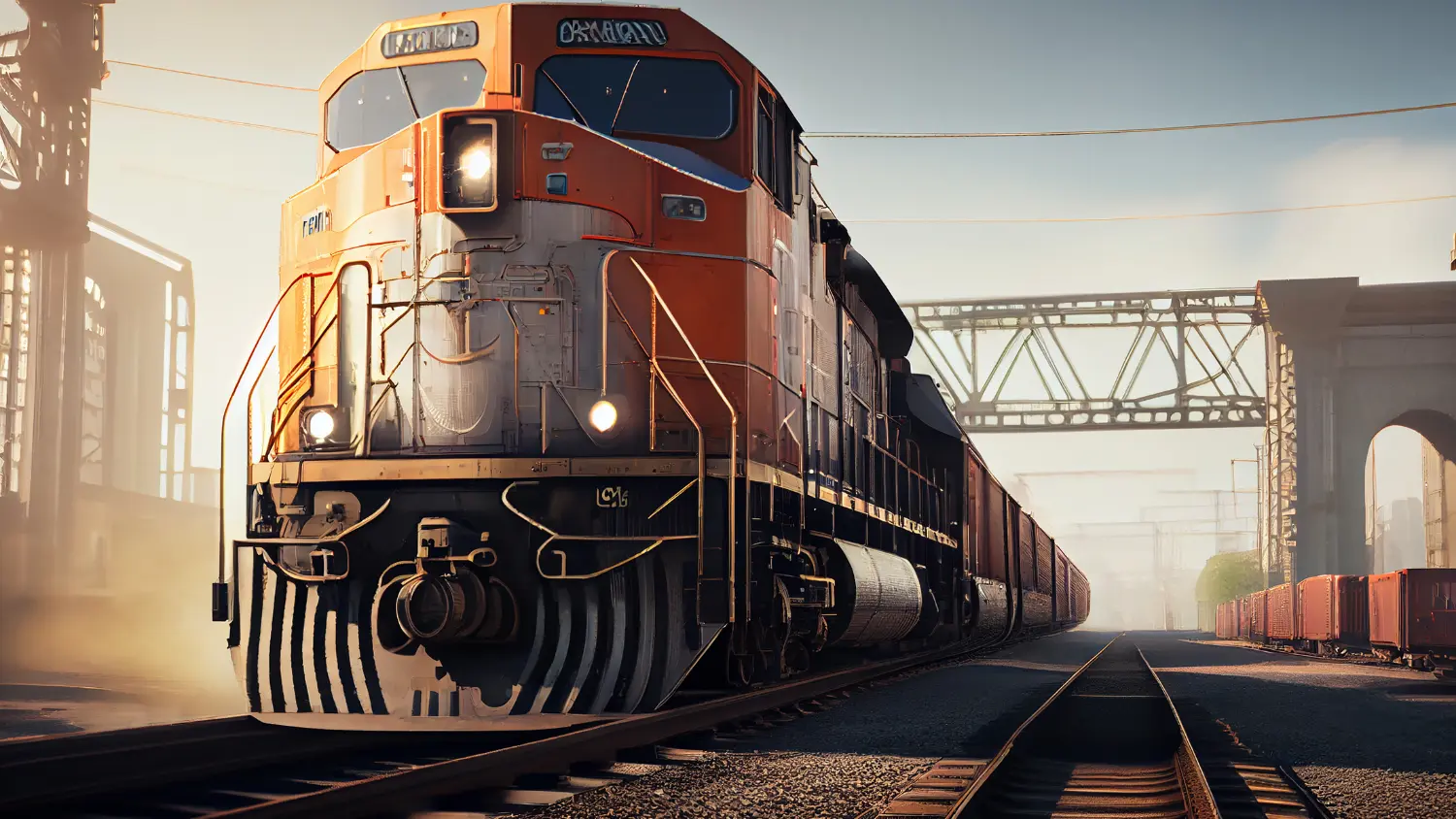
Rail Freight Service stands at a strategic crossroads. Volumes show modest improvement, and service levels continue to stabilize. However, economic uncertainty, regulatory shifts, and merger discussions create a complex environment. Shippers are watching closely. Investors are asking tough questions. Carriers are focusing on growth while protecting margins.
At the same time, rail networks are improving performance metrics. Train speeds are rising in several regions. Dwell times are stabilizing. Intermodal corridors are expanding. Yet pricing pressure, trucking competition, and tariff volatility continue to shape demand.
For international shippers and B2B supply chain leaders, Rail Freight Service remains a critical lever for cost control and sustainability. The key question is simple: where is the next growth driver, and how should businesses position themselves? This article explores market performance, pricing dynamics, regulatory developments, and strategic implications for shippers worldwide.
Rail Freight Service Volume Trends and Market Performance
Rail Freight Service volumes show cautious improvement this year. Carload growth has returned to low single digits. Intermodal has contributed more than traditional commodity segments. However, headline growth can be misleading.
Coal volumes rebounded compared to a weak prior year. Grain shipments also improved. Yet consumer-driven commodities remain soft. Housing, automotive, and construction-related freight continue to face headwinds. Therefore, underlying industrial demand appears steady but not robust.
When excluding bulk-driven fluctuations, core commodity growth aligns closely with overall industrial output. In short, Rail Freight Service is stabilizing rather than surging. Shippers should plan for gradual growth rather than rapid expansion. Strategic forecasting remains essential.
Intermodal Within Rail Freight Service: Balance and Volatility
Intermodal plays a central role in modern Rail Freight Service. Domestic and international volumes are now closer to balance. However, demand remains sensitive to trucking rates and tariff policy shifts.
When truck spot rates stay low, some freight shifts off rail. Conversely, when trucking capacity tightens, rail intermodal becomes more competitive. Tariff uncertainty has also created short-term volume spikes followed by slowdowns.
Service performance in intermodal has improved overall. Railroads opened new terminals and service lanes this year. Container capacity remains available. As the economy strengthens, Rail Freight Service could capture additional market share from trucking. Still, success depends on consistent service reliability and competitive pricing.
Service Levels and Operational Improvements
Service reliability is one of the strongest recent stories in Rail Freight Service. Many carriers report improved train speeds and reduced dwell times. Western networks show stronger performance gains. Eastern corridors are improving but remain under scrutiny.
Importantly, shipper dissatisfaction appears lower than in previous cycles. Infrastructure investments and better labor agreements reduce disruption risk. Moreover, technology adoption is supporting operational efficiency.
Nevertheless, railroads must sustain this progress. Growth typically stresses networks. Therefore, maintaining service levels during expansion will test operational discipline. For shippers, monitoring performance metrics remains critical when selecting long-term Rail Freight Service partners.
Pricing Dynamics in Rail Freight Service
Pricing in Rail Freight Service reflects both inflation and competition. Railroads continue to invest heavily in infrastructure and equipment. Investors expect pricing to outpace cost growth over time. However, competitive pressure from trucking limits pricing power in intermodal lanes.
Currently, some segments still price below cost inflation. Weak trucking markets have restrained rail rate increases. Yet as truck capacity tightens, rail pricing could strengthen in 2026 and beyond.
For shippers, this creates a planning window. Companies that renegotiate contracts during balanced market conditions may secure more favorable long-term structures. Rail Freight Service pricing decisions today can influence total landed cost for years.
Technology and Automation Shaping Rail Freight Service
Technology is increasingly central to Rail Freight Service competitiveness. AI-driven analytics, predictive maintenance, and inspection automation improve safety and asset utilization. Early AI applications already enhance crisis response and operational planning.
Regulatory flexibility around autonomous inspection technologies also supports progress. Although trucking has moved faster in customer-facing tools, railroads are catching up. Digital visibility platforms continue to evolve.
As automation expands, Rail Freight Service can deliver better equipment utilization and improved reliability. However, carriers must accelerate customer-centric innovation. Shippers expect transparency comparable to modern trucking platforms.
Regulatory Environment and Merger Considerations
Regulatory oversight remains influential in Rail Freight Service strategy. Surface Transportation Board policies, reciprocal switching debates, and service mandates shape competitive dynamics.
The proposed Union Pacific–Norfolk Southern merger adds another layer of uncertainty. Single-line service often delivers operational advantages. Many shippers prefer simplified routing structures. However, regulators will evaluate competitive impact carefully.
Merger outcomes could reshape transcontinental rail strategy. Therefore, businesses relying heavily on Rail Freight Service should monitor regulatory timelines closely. Policy decisions can affect network access, pricing leverage, and long-term supply chain design.
Advantages of Strategic Rail Freight Service Planning
Strategic Rail Freight Service planning delivers measurable advantages. First, it improves cost predictability through stable contract structures. Second, it enhances sustainability by reducing carbon emissions compared to long-haul trucking.
Additionally, rail supports high-volume freight efficiently. This improves margin performance on commodity and intermodal lanes. Shippers also benefit from network resilience when diversifying modal exposure.
Rail Freight Service strengthens long-term supply chain resilience. Rail networks handle bulk movements with consistent fuel efficiency. Moreover, integrated intermodal corridors support scalable growth. Businesses that align inventory strategy with rail capabilities often achieve better balance between cost and service reliability.
Five-Year Outlook for Rail Freight Service
The five-year outlook for Rail Freight Service depends on economic growth and industrial reshoring. If domestic manufacturing expands, carload volumes could rise meaningfully. Intermodal may also gain share if trucking rates normalize.
Stronger economic cycles historically benefit rail. Service reliability improvements position the industry well for growth. However, sustained investment in customer experience remains essential.
Rail Freight Service has clear potential. Yet carriers must maintain operational discipline and pricing balance. Shippers who align early with reliable partners will capture long-term advantages.
Conclusion
Rail Freight Service is entering a pivotal phase. Service levels are improving. Pricing remains competitive. Technology adoption is accelerating. At the same time, regulatory developments and potential mergers introduce strategic complexity.
For B2B shippers, proactive planning is critical. Waiting for market clarity can mean missed opportunities. A well-structured Rail Freight Service strategy supports cost efficiency, sustainability, and network resilience.
If your organization is evaluating rail capacity, intermodal strategy, or long-term contract positioning, our transportation specialists are ready to help. Contact our experts today to assess your network and build a stronger, future-ready rail freight strategy.