

What Are Shipping Lines?
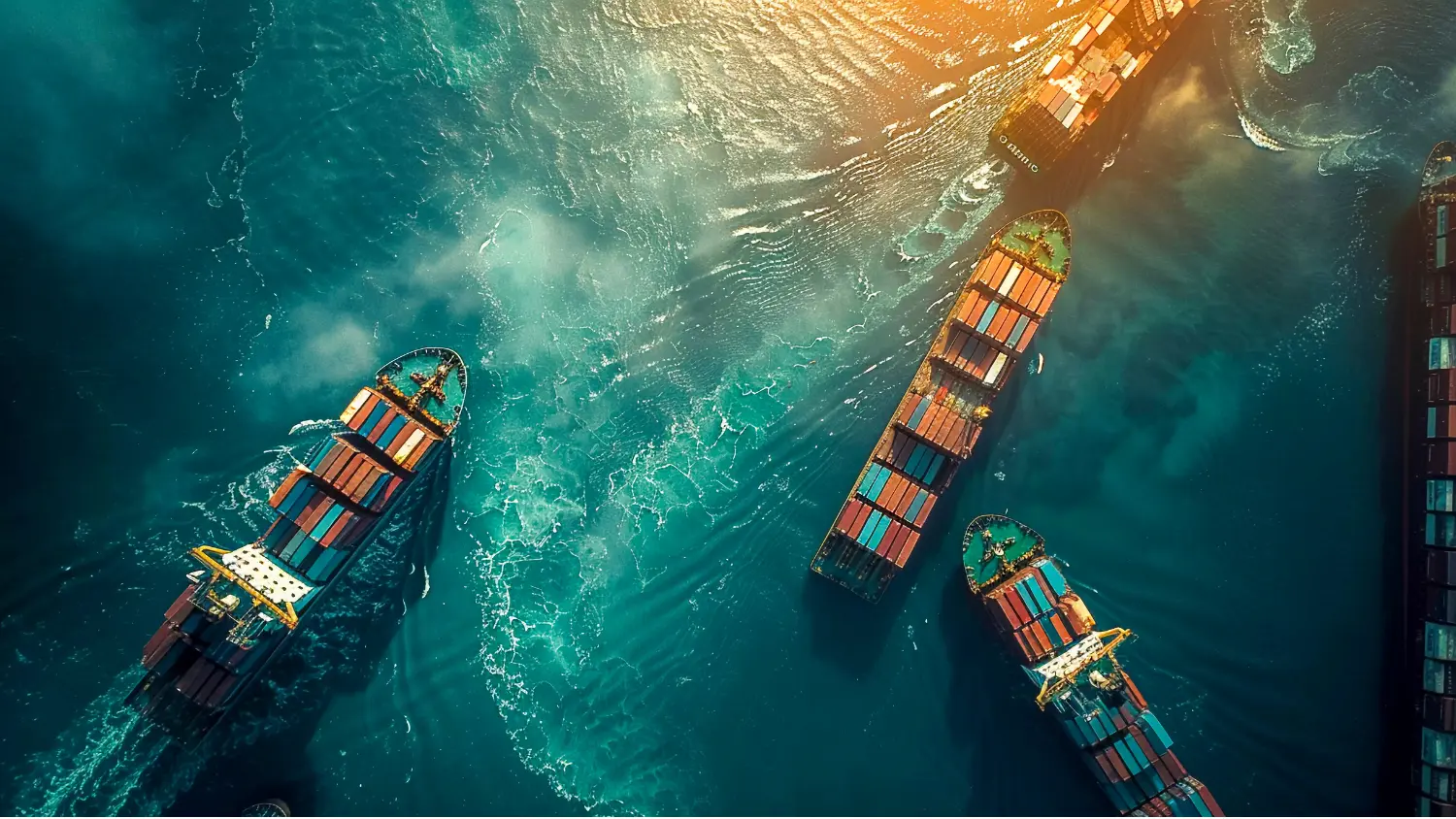
Shipping lines are companies that operate fleets of cargo vessels to transport goods internationally. Unlike freight forwarders, shipping lines own and manage ships that carry containers between ports across the globe. These companies play a vital role in global trade by ensuring that cargo reaches its destination safely, efficiently, and on time. Understanding shipping lines is essential for any business that deals with import and export activities.
What Is a Freight Forwarder?
A freight forwarder is an intermediary that helps businesses organize shipments but does not operate ships. Their role is to coordinate logistics, including packing, booking cargo, and sometimes even selecting the shipping line on behalf of the client. Many small and medium-sized businesses prefer freight forwarders because they provide support with documentation, customs clearance, and tailored solutions. However, since they do not own vessels, they rely on shipping lines to move the cargo across oceans.
Key Differences Between Freight Forwarders and Shipping Lines
The main difference between freight forwarders and shipping lines lies in ownership and responsibility. Shipping lines directly handle the transportation of goods on their ships, while freight forwarders act as coordinators. Businesses shipping large volumes may benefit more from working directly with shipping lines, while smaller shipments are often better managed by freight forwarders.
Advantages of Shipping Lines
Another important advantage of ocean carriers is their global network and reliability in international trade. Unlike smaller service providers, shipping lines usually have access to major ports around the world, which ensures that your goods reach almost any destination on time. They also invest heavily in modern vessels, digital tracking systems, and advanced logistics solutions that improve transparency for businesses. For companies that deal with large shipments regularly, this level of control and visibility is critical. Partnering with experienced providers like darkblueshipping can help reduce delays, optimize costs, and improve overall efficiency in global supply chains.
- Speed and Efficiency: Shipping lines have direct access to vessels and routes, which can reduce transit times compared to freight forwarders.
- Technology and Tracking: Many shipping lines provide advanced digital platforms for real-time cargo tracking.
- Customer Support: With a single point of contact, businesses can resolve issues faster and ensure smoother communication.
- Large Volume Capacity: For companies shipping in bulk, working with a shipping line often results in better cost efficiency.
When to Use a Freight Forwarder Instead
Although ocean carriers offer many advantages, freight forwarders are still the preferred option for certain businesses. Companies dealing with small shipments, complex customs requirements, or multimodal transportation often choose freight forwarders. Their flexibility, lower overhead, and expertise in documentation make them valuable partners for smaller traders.
How to Choose the Right Shipping Company for Your Business
Selecting the right company depends on your shipping volume, budget, and level of expertise in international trade. If you need end-to-end support with customs clearance and documentation, a freight forwarder might be more suitable. However, if your priority is faster shipping, advanced tracking, and bulk capacity, a shipping line like darkblueshipping can be the smarter choice. Always consider factors such as pricing, route availability, reliability, and customer service before making a decision.
Conclusion: Understanding Shipping Line in Global Trade
In today’s fast-moving world of international logistics, knowing the role of ocean carriers and freight forwarders helps businesses avoid costly mistakes. Shipping lines provide speed, efficiency, and bulk transportation, while freight forwarders offer flexibility and tailored solutions for smaller shipments.
Companies like darkblueshipping combine expertise, technology, and reliability to ensure seamless international trade. By learning the basics of freight forwarders and shipping lines, you can make informed decisions that improve your supply chain efficiency and reduce costs.