

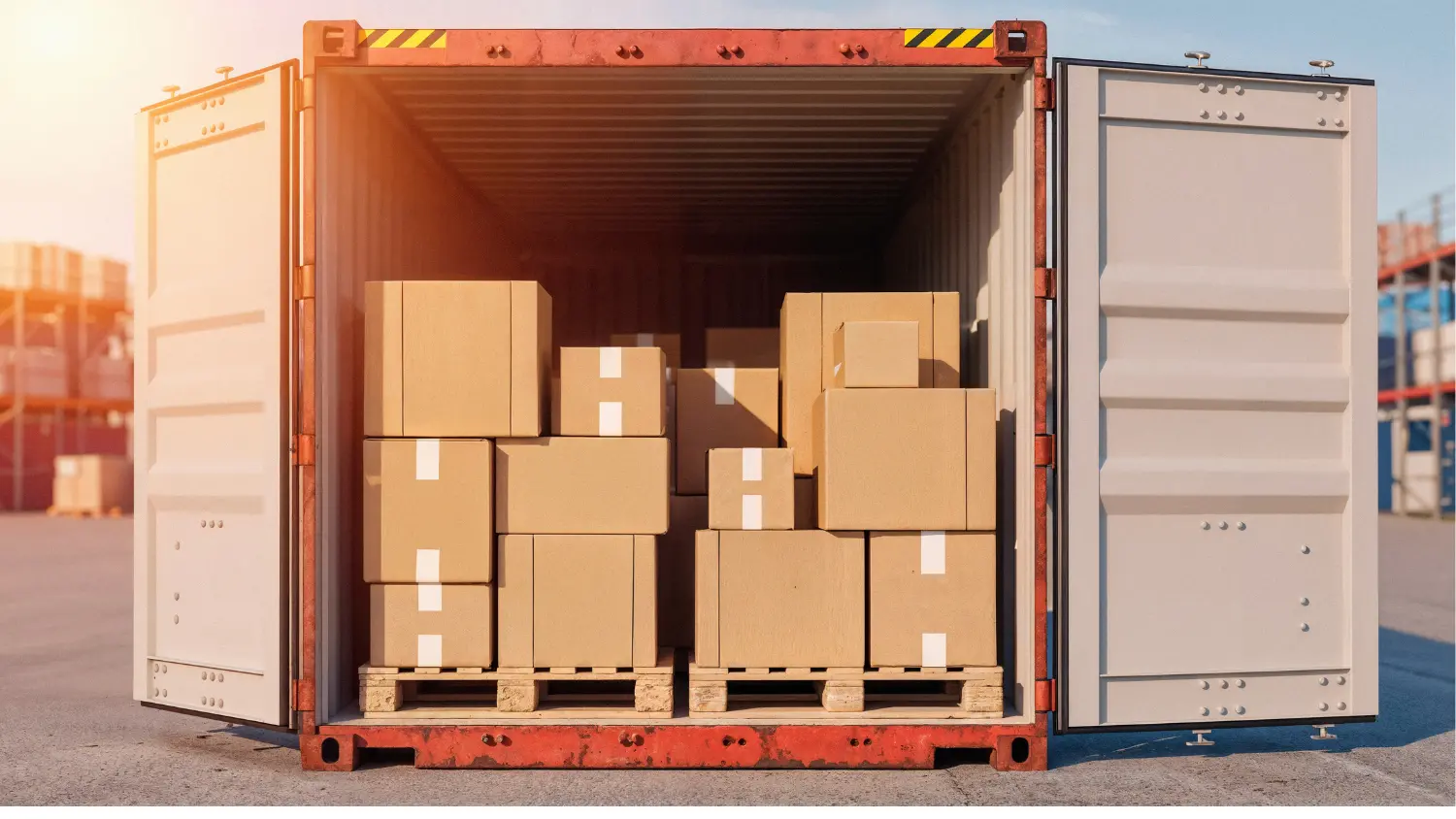
Choosing the right types of boxes for shipping is more than just a packaging decision — it’s a vital part of your logistics strategy. Whether you’re shipping electronics, clothing, or fragile products, your box type determines how well the item arrives at its destination. In this guide, we’ll explore the most reliable and commonly used boxes in global shipping.
By understanding the features, strengths, and best use-cases of each box, your business can minimize damage, improve customer satisfaction, and optimize cost-efficiency. From small e-commerce stores to international wholesalers, the right box can make a significant difference.
1. Corrugated Boxes
Corrugated boxes are the most commonly used type in shipping. Made of three layers of paper — an inside liner, an outside liner, and a fluted medium — they provide durability and cushioning. Ideal for medium-weight shipments, they are lightweight, affordable, and available in single, double, or triple-wall designs depending on the fragility of the cargo.
- Use case: Electronics, books, household items.
- Benefit: Low cost, recyclable, strong protection.
These types of boxes for shipping are perfect for e-commerce businesses due to their balance of strength and cost.
2. Rigid Boxes
Rigid boxes are premium packaging often used for luxury items. Unlike collapsible corrugated boxes, these are stiff and non-foldable, offering superior strength and aesthetics. They provide excellent protection for fragile or high-end products and often come branded for a premium unboxing experience.
- Use case: Mobile phones, jewelry, designer goods.
- Benefit: Strong protection, premium look and feel.
These types of boxes for shipping are excellent for brands that prioritize presentation and customer experience.
3. Full Overlap Boxes
These boxes feature flaps that fully overlap on the top and bottom, providing extra stacking strength and durability. This makes them perfect for heavy or high-value goods, especially during long transits. The overlapping flaps reduce the risk of crushing.
- Use case: Heavy tools, glassware, machinery parts.
- Benefit: Extra strength, good for long-distance shipping.
Among all types of boxes for shipping, this one is ideal for international shipments requiring strong structural integrity.
4. Telescopic Boxes
Telescopic boxes come in two pieces — a top and bottom that slide over each other. They’re ideal for taller or oddly shaped items that require height flexibility. These boxes offer adjustable depth, making them versatile and protective.
- Use case: Posters, artwork, tripods.
- Benefit: Adjustable height, easy to customize.
These types of boxes for shipping allow for minimal movement inside, reducing the chance of in-transit damage.
5. Folding Cartons
These lightweight boxes are typically made of paperboard and are used for lighter products. They’re easy to assemble and often used in retail packaging. Though not as durable as corrugated boxes, they’re perfect for inner packaging or product displays.
- Use case: Cosmetics, cereal boxes, light clothing.
- Benefit: Lightweight, cost-effective, printable surface.
Folding cartons are a popular choice among types of boxes for shipping smaller retail products that require strong branding.
6. Insulated Shipping Boxes
Insulated boxes are designed for temperature-sensitive shipments. They’re usually made with foam or thermal liners inside to maintain temperature stability. These are critical for shipping food, pharmaceuticals, and other perishable goods.
- Use case: Frozen food, vaccines, chocolates.
- Benefit: Maintains temperature, prevents spoilage.
This is one of the most essential types of boxes for shipping items where cold chain management is required.
7. Custom Boxes
Custom boxes are tailored specifically to your product’s dimensions and protection needs. These boxes enhance branding and ensure a snug fit, reducing material waste and damage during shipping.
- Use case: Subscription boxes, branded items.
- Benefit: Brand recognition, efficient packaging, eco-friendly.
These types of boxes for shipping provide a balance between function and marketing, making them ideal for DTC brands.
Conclusion
Understanding the different types of boxes for shipping allows you to make smarter, safer, and more cost-effective packaging decisions. Whether you’re sending fragile electronics or bulk industrial parts, choosing the correct box ensures protection, efficiency, and customer satisfaction.
At DarkBlueShipping, we help businesses select and source the best packaging options based on your cargo type, destination, and budget. Contact our experts today to optimize your shipping strategy.