

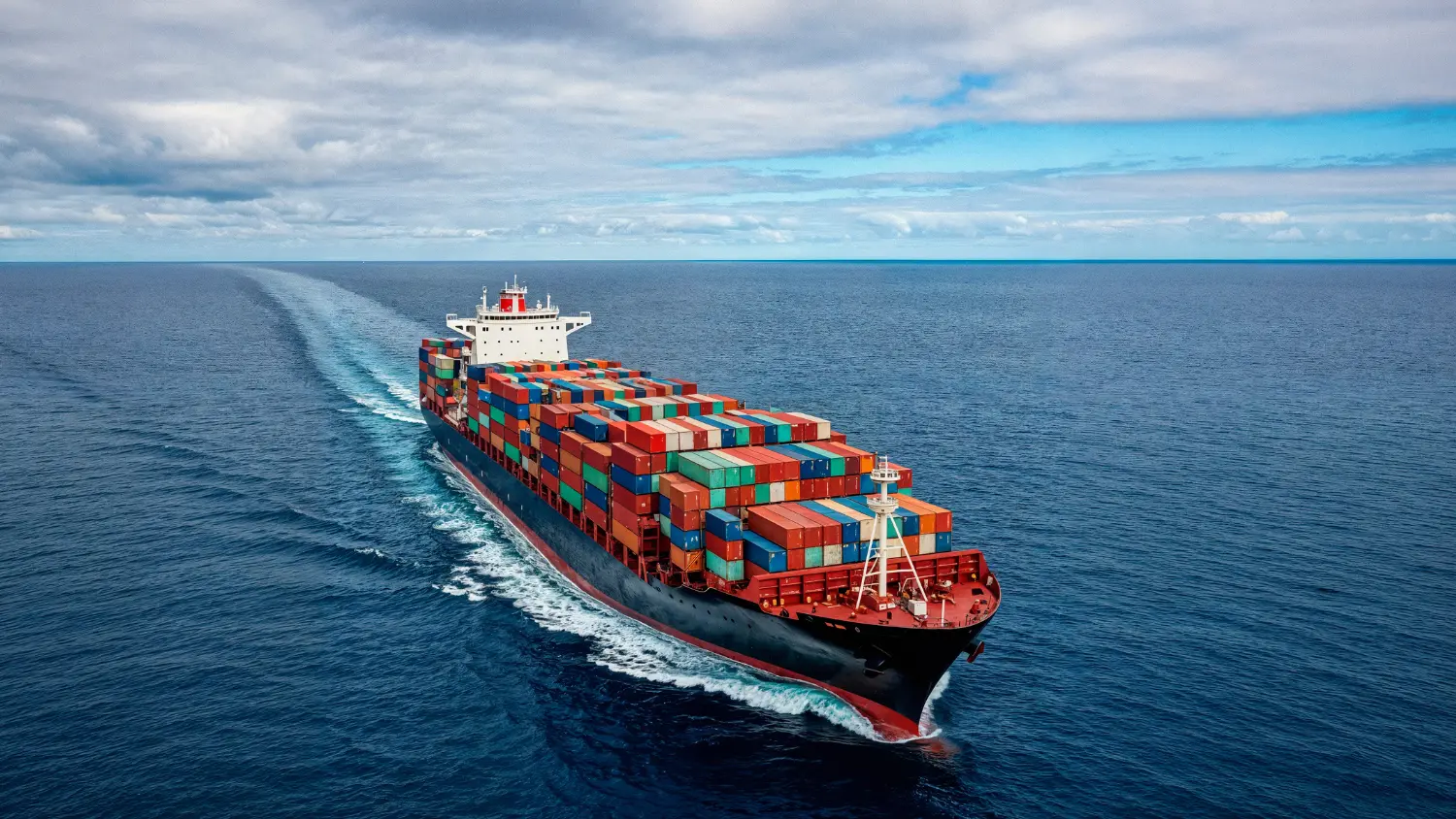
Understanding how to calculate ocean freight costs is critical for importers, exporters, and logistics professionals. Freight charges directly impact profitability and efficiency in international shipping. Whether you’re sending goods across continents or receiving raw materials, knowing the cost drivers of ocean freight can help you avoid unnecessary expenses and optimize logistics. From cargo dimensions to weather conditions, multiple elements influence the total shipping cost.
In this guide, we’ll explore the main variables involved and show you how to calculate ocean freight costs accurately for your business.
Factors That Influence Ocean Freight Costs
Several factors come into play when determining total freight charges. These not only affect pricing but also impact the reliability, speed, and service quality of your shipments.
1. Delivery Time
Delivery speed is a crucial factor. The faster you want your shipment delivered, the more you’ll have to pay. Ocean freight services are typically divided into standard, expedited, and express tiers—each with its own pricing. Express options demand higher fuel usage, labor intensity, and scheduling precision, which increases the freight costs.
Choosing the right balance between delivery speed and budget helps businesses control expenses without compromising deadlines.
2. Distance Between Ports
The longer the distance between the origin and destination ports, the higher the cost. Fuel usage, crew wages, and vessel maintenance increase with distance, and shipping lines adjust their rates accordingly. Understanding the trade lanes and alternative port options can help reduce overall freight spending.
You also need to consider that how to calculate ocean freight costs includes evaluating route efficiency. Some port combinations offer direct routes, while others involve transshipment, which adds time and additional charges. Shipping between major ports is typically less expensive due to high traffic and better infrastructure. However, less accessible ports may result in higher terminal fees or inland transport costs.
Selecting optimal port pairs can lead to substantial cost savings over time. When planning long-distance shipments, evaluating both the geographic distance and the logistical complexity is crucial to keeping overall freight costs predictable and manageable.
3. Weather Conditions
While often unpredictable, weather significantly influences freight schedules and costs. Storms, hurricanes, or even prolonged fog can delay shipments and reroute vessels, adding to the final cost. Shipping during off-peak seasons may help avoid such surcharges and delays.
Freight forwarders often include weather risk buffers in pricing, especially during monsoon or hurricane seasons.
4. Cargo Dimensions and Weight
To determine how to calculate ocean freight costs, you must measure your cargo precisely. Record the length, width, and height to calculate its volume (in cubic meters) and weigh it in kilograms. Freight charges are usually based on whichever is higher: actual weight or volumetric weight.
For example, lightweight but bulky items may incur charges based on volume rather than weight. Using optimized packaging can help reduce unnecessary freight expenses.
Final Steps: Getting an Accurate Quote
Once you have the volume and weight of your cargo, the next step is to request a quote from shipping lines or freight forwarders. Be sure to provide full details, including:
- Pickup and delivery addresses
- Cargo type and description
- Preferred delivery time
- Port pair (origin and destination)
Also, don’t forget to factor in additional charges such as:
- Fuel surcharges
- Port handling fees
- Documentation fees
- Customs duties and taxes
These hidden costs can significantly affect your final invoice, so transparency is key when dealing with freight providers.
Conclusion
Knowing how to calculate ocean freight costs empowers businesses to make informed decisions, avoid surprise charges, and streamline their supply chains. With a clear understanding of distance, delivery time, cargo dimensions, and other variables, you can ensure cost-effective and timely shipments.
At Darkblueshipping, we offer competitive rates and tailored solutions to meet your sea freight needs. Contact us today for a customized quote and expert guidance.