

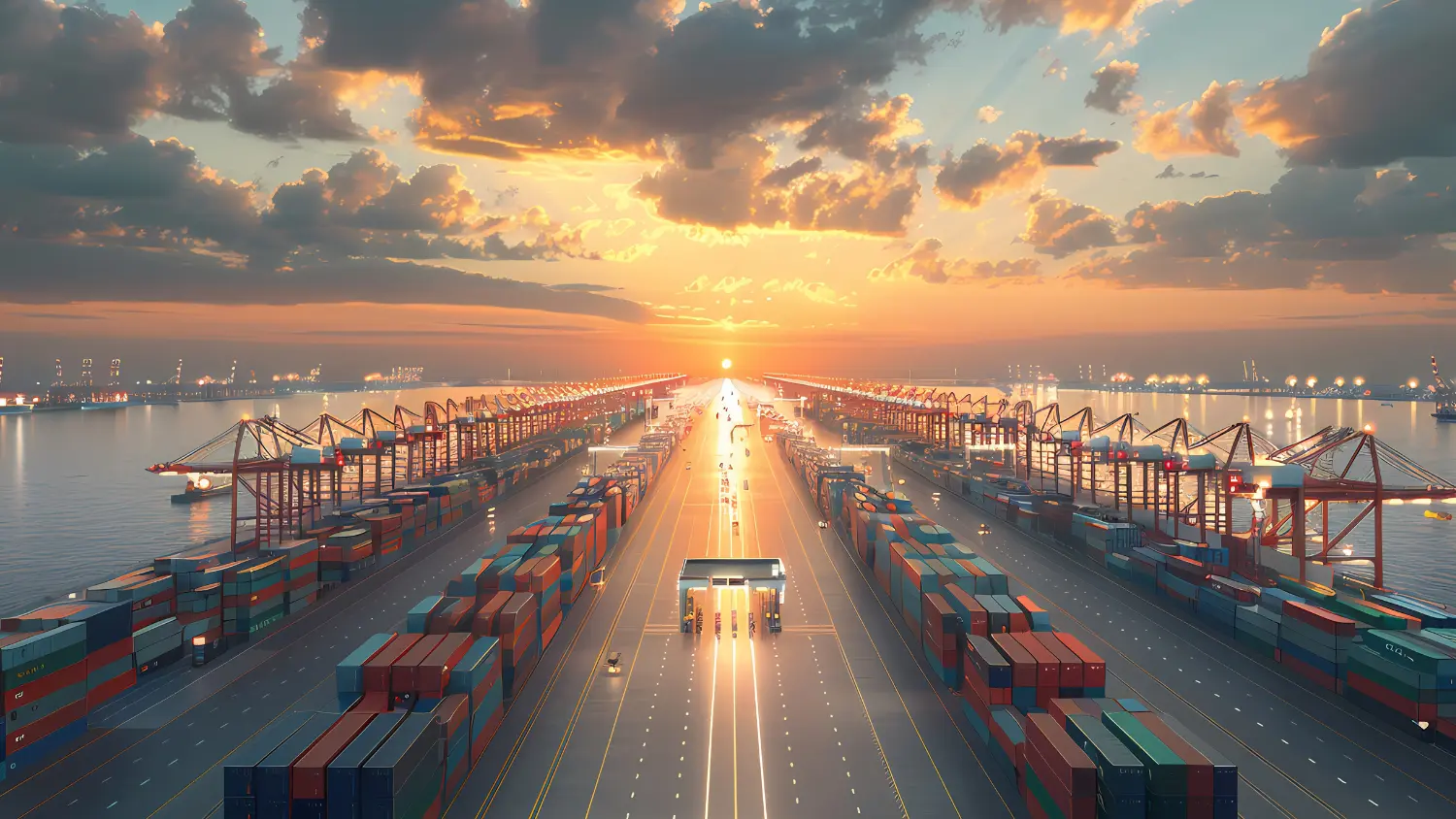
Foreign Trade Zones offer powerful tools for companies moving goods across borders. These designated areas allow businesses to store, process or assemble products under special customs rules. As a result, importers and exporters gain valuable flexibility in today’s complex trade environment. Duty payments can often be deferred until goods enter the local market. In some cases duties may even be eliminated on re-exports. This approach supports better cash flow and smarter inventory decisions.
AtDarkBlueShipping we help clients leverage these advantages through our warehousing, customs clearance and multi-modal freight services. Our team focuses on practical solutions that keep supply chains efficient and reliable. Understanding the core value of these zones helps businesses reduce risk and improve operational control.
Understanding How Foreign Trade Zones Work
Foreign Trade Zones function as secure areas under customs supervision. Goods entering these zones generally remain outside normal customs territory until they move into the domestic market. Companies can therefore store inventory for extended periods without immediate duty payment. They may also perform limited processing, assembly or packaging activities inside the zone. This structure creates important operational freedom.
For international shippers the model supports both import and export strategies. When goods are re-exported directly from the zone, duties are typically not owed. The system rewards careful planning and accurate documentation. Logistics partners with free zone experience make the process smoother and more compliant. Clear procedures and real-time visibility further enhance the value for businesses of all sizes.
Duty Deferral and Improved Cash Flow
One of the strongest advantages of Foreign Trade Zones is duty deferral. Importers can bring goods into the zone and delay customs payments until the products leave for local sale. This timing difference frees working capital that would otherwise be tied up in duties. Companies with longer inventory cycles or seasonal demand benefit the most. Cash that stays available longer can support other business needs such as production or marketing.
In addition, goods that are later exported from the zone often incur no duty at all. The result is a more predictable cost structure. Professional logistics providers help clients calculate the exact cash-flow impact and design suitable storage plans. Accurate tracking and timely reporting remain essential for full benefit realization.
Advantages and Benefits for Global Shippers
Foreign Trade Zones deliver several practical advantages beyond simple duty savings. They improve inventory flexibility and reduce exposure to sudden policy shifts. Companies can hold stock closer to key markets while retaining the option to re-export if conditions change. Streamlined customs procedures inside many zones also speed up documentation and release times. Furthermore, certain processing activities can add value without triggering immediate duties. These benefits support more resilient supply chains. Businesses gain time to evaluate market conditions before committing to final entry. The combination of storage, processing and customs relief creates a stronger competitive position for importers and exporters alike.
Extra flexibility comes from the ability to manage risk across multiple trade lanes. Shippers can adjust sourcing or distribution plans with less immediate financial pressure. When paired with reliable warehousing and multi-modal transport, the zone model becomes even more effective. Clients using free zone facilities often report smoother overall logistics performance and better cost control. These outcomes depend on experienced partners who understand both zone rules and practical freight operations.
Streamlining Customs Clearance and Compliance
Customs processes inside Foreign Trade Zones follow specific procedures that differ from standard entry. Proper admission documentation and status tracking are required at every stage. Accurate classification and record-keeping prevent delays or penalties. Experienced customs teams handle the detailed paperwork and maintain ongoing compliance. They also monitor changes in applicable rules so clients stay informed.
Integration with broader freight services ensures goods move efficiently from port or airport into the zone. Once inside, inventory remains visible and ready for the next step. This coordinated approach reduces administrative burden and supports faster decision-making. Companies that work with knowledgeable partners experience fewer surprises and stronger overall control.
Combining Free Zones with Freight and Warehousing
Successful use of Foreign Trade Zones depends on strong connections to sea, air and road transport. Goods must arrive reliably and then move onward without unnecessary handling. Strategic warehousing inside or near free zones supports this flow. Temperature-controlled or specialized storage can protect sensitive cargo while it remains under zone status. Multi-modal options allow shippers to choose the most efficient route for each shipment.
Coordinated planning between freight, warehousing and customs teams keeps the entire chain aligned. Clients gain a single point of contact for complex movements. This integrated model turns zone advantages into measurable operational results. Reliable partners make the system work smoothly across regions and time zones.
Selecting the Right Logistics Partner
Choosing a logistics provider with proven free zone experience is critical. The partner should offer warehousing capacity, customs expertise and dependable freight options. Clear communication and real-time visibility help clients stay informed at every stage. A strong network across key trade regions further increases flexibility. Companies that select partners with these capabilities extract greater value from zone operations. They also reduce the risk of compliance issues or unexpected costs. Long-term collaboration builds deeper understanding of each client’s specific needs. The right relationship turns Foreign Trade Zones from a technical option into a practical competitive tool.
Foreign Trade Zones remain a valuable resource for companies seeking greater control over costs and supply chain decisions. When combined with professional warehousing, customs clearance and freight services, they support more resilient and efficient operations. Businesses that understand and apply these tools carefully gain measurable advantages in today’s trade landscape. DarkBlueShipping stands ready to help clients navigate free zone opportunities with practical expertise and reliable execution.
Contact our logistics experts today to discuss how we can support your free zone and international shipping needs. Reach out through our website or local offices for personalized guidance tailored to your cargo and routes.