

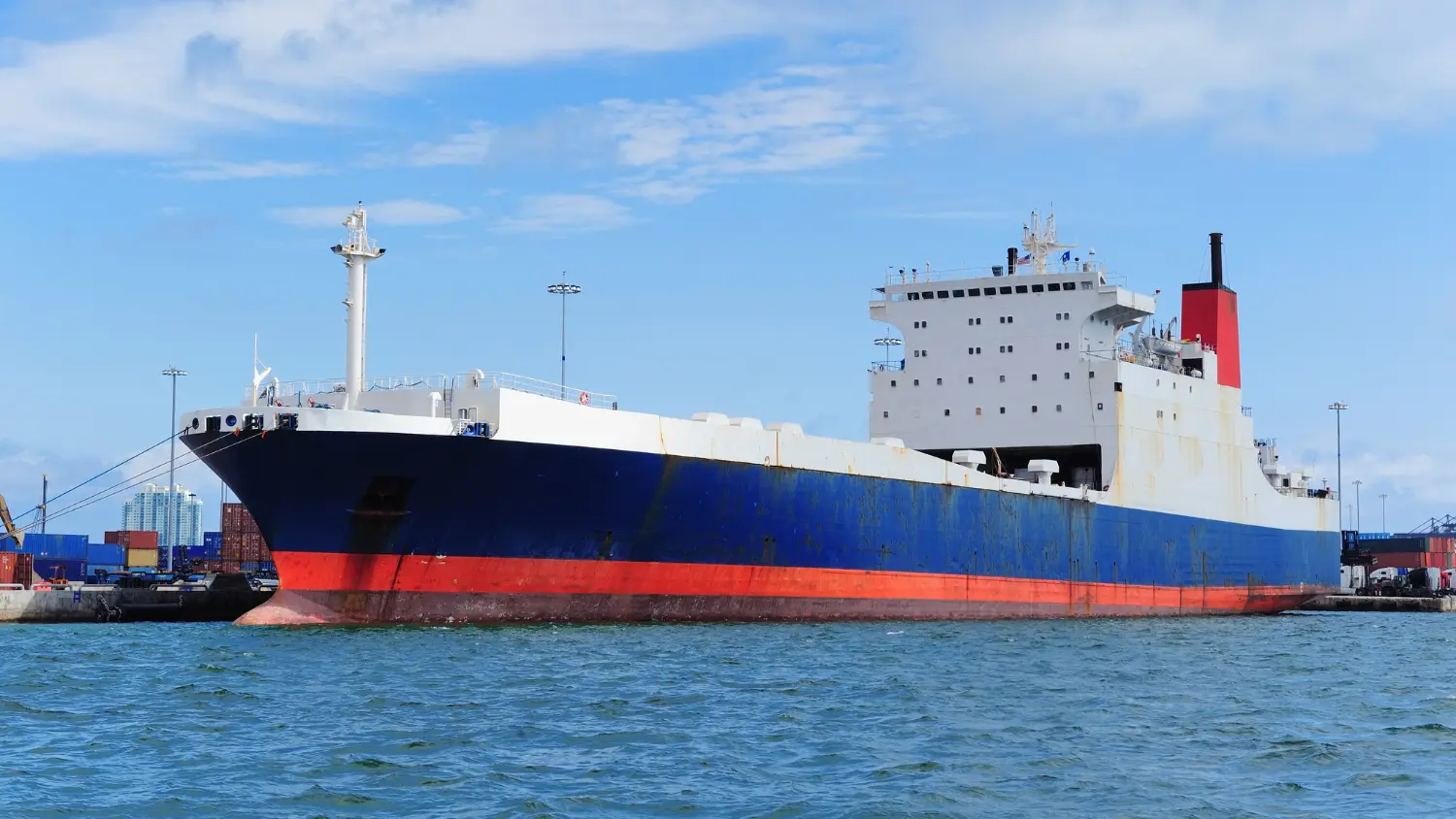
In today’s interconnected world, global trade depends on efficient logistics solutions. Among all available modes, sea transportation remains the backbone of international commerce. Accounting for nearly 90% of global trade, it enables companies to move bulk goods affordably and reliably. While air and road transport have their roles, maritime shipping continues to offer unmatched advantages. Understanding the advantages of sea transport helps businesses make better decisions when planning global supply chains and choosing partners for long-term growth.
What Is Sea Transport?
Sea transport refers to moving goods or passengers using merchant vessels across oceans and seas. Since the 1960s, containerization has transformed maritime logistics, making it more cost-effective and secure. Standardized containers allow businesses to move large volumes of cargo while minimizing storage costs and damage risks. As a result, shipping companies became essential to international trade, helping businesses of all sizes reach global markets quickly. Unlike other transport methods, sea transport combines high capacity with affordability, giving companies a clear competitive edge.
Cost-Effectiveness in Global Logistics
One of the greatest advantages of sea transport is cost-effectiveness. Cargo ships can carry thousands of containers in a single voyage, reducing per-unit transport costs. For bulk goods such as raw materials, machinery, or consumer products, this mode remains far cheaper than air freight. Furthermore, lower fuel consumption per ton-mile makes maritime transport ideal for long-distance shipments. Businesses often prefer sea shipping when moving heavy cargo, as the cost savings directly support profitability. Compared to trucking or air transport, maritime shipping offers unbeatable economies of scale.
Reliability and Stability of Maritime Shipping
Reliability is another factor that strengthens the role of sea transport. Unlike road transport, which suffers from congestion or accidents, or air cargo, which faces frequent delays due to weather, ocean shipping is less affected by sudden disruptions. Established shipping routes provide consistent schedules, ensuring that goods reach ports on time. For companies managing large supply chains, stability is essential to maintain production and distribution timelines. By working with experienced shipping companies, businesses benefit from predictable transit times and stronger supply chain control.
Eco-Friendly Logistics Solution
Sustainability has become a key concern in modern logistics. One of the less obvious advantages of sea transport is its eco-friendly nature. Compared to trucks or airplanes, cargo vessels emit fewer carbon emissions per ton of freight. This lower environmental impact makes sea transport the greener alternative for global trade. With international regulations pushing for cleaner energy and advanced ship technologies, maritime transport continues to improve its environmental performance. Businesses looking to meet sustainability goals can leverage shipping companies as a reliable, eco-conscious choice.
Flexibility and Global Reach
Sea transport offers unmatched flexibility and reach. Ocean carriers connect thousands of ports worldwide, enabling businesses to access even remote markets. Shipping lines also provide multiple service options, from full container load (FCL) to less-than-container load (LCL), adapting to different shipment sizes. Companies can also combine sea shipping with inland trucking or rail to build seamless multimodal solutions. This adaptability allows exporters and importers to design logistics strategies that match specific business goals. Whether for small enterprises or multinational corporations, maritime transport ensures connectivity across continents.
Advantages of Sea Transport for Businesses
The advantages of sea transport go far beyond affordability and sustainability. One of its greatest strengths is scalability. Businesses can ship anything from small consignments to massive industrial equipment using specialized vessels. Another key advantage is safety. With strict international regulations and advanced container technology, cargo security is ensured throughout the journey. Additionally, modern shipping companies offer value-added services like warehousing, customs clearance, and insurance, making operations even smoother.
An extra benefit is the ability to negotiate competitive long-term contracts, which helps companies stabilize costs and plan logistics budgets effectively. These combined advantages explain why sea transport remains the preferred mode for international trade, particularly in B2B markets where efficiency and reliability are critical.
Conclusion
Sea transportation continues to be the foundation of international logistics. From cost savings and reliability to eco-friendly operations and global reach, the advantages of sea transport are undeniable. For companies seeking to expand into international markets, choosing sea shipping ensures efficiency, affordability, and long-term sustainability. Contact our experts at DarkBlueShipping today to explore tailored solutions and start optimizing your logistics right now.