

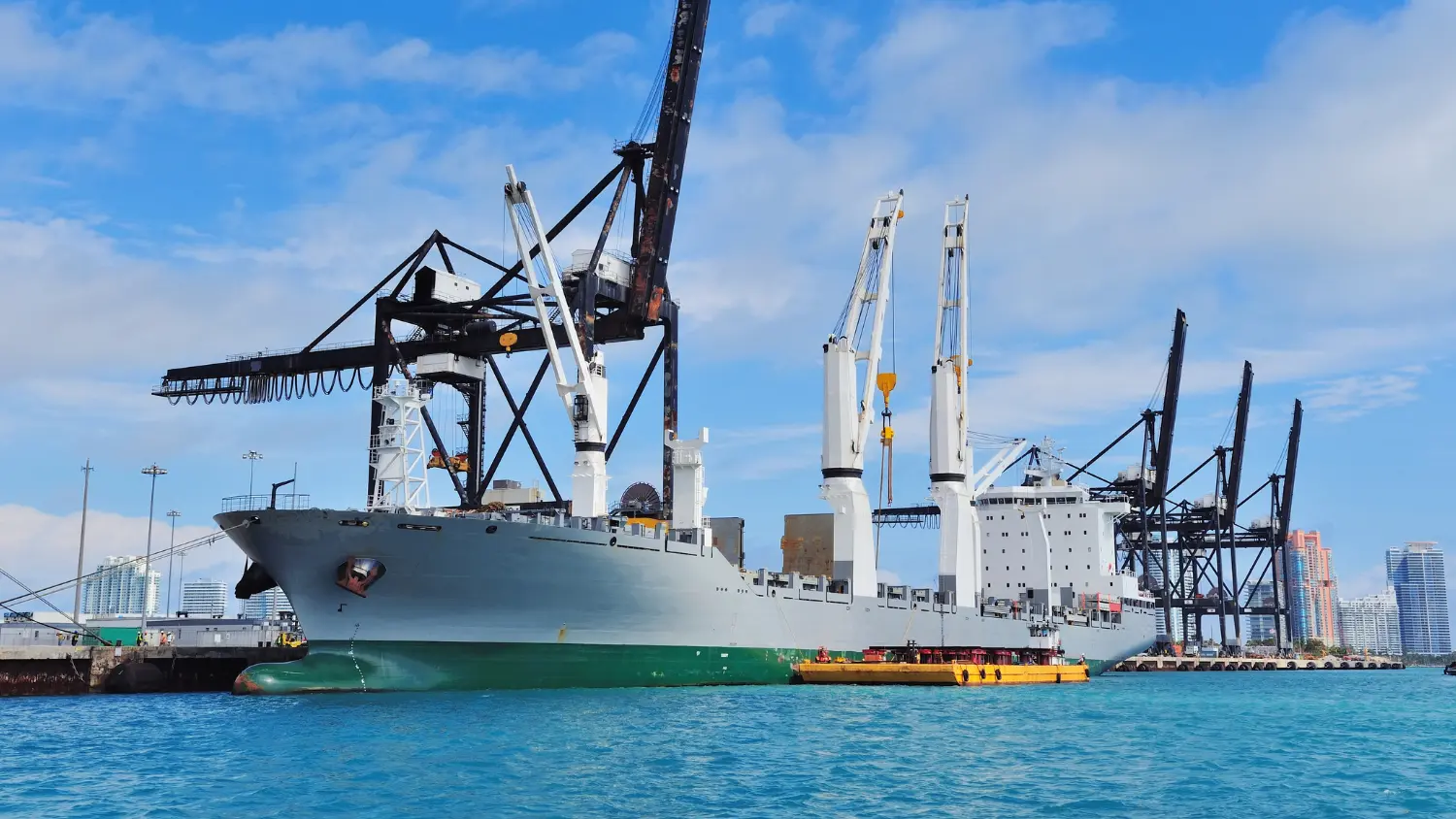
Ship chartering services play a crucial role in international logistics, offering businesses flexible solutions for transporting cargo efficiently. Whether a company needs an entire vessel or only part of it, chartering ensures goods move smoothly across global routes. For organizations engaged in large-scale trade, understanding these services helps optimize freight costs, streamline operations, and reduce logistical risks. With the right chartering partner, companies gain greater control over shipment schedules, routes, and terms. This article explains the types of ship chartering services, their processes, benefits, and how to choose the best option for your business needs.
What Are Ship Chartering Services?
Ship chartering services involve renting a vessel from its owner for transporting goods internationally. The charterer pays an agreed rate and uses the vessel for a specific journey or period. Unlike container shipping, which follows fixed schedules, chartering offers flexibility and tailored solutions. Businesses can choose the right vessel size, route, and timeline. Depending on the agreement, the charterer may control cargo loading, ports of call, and discharge points. This adaptability makes chartering a vital solution for industries dealing with bulk commodities, oversized equipment, or specialized cargo.
Types of Ship Chartering Services
There are two primary types of ship chartering: full charter and part charter.
- Full Charter: In this arrangement, a company rents the entire vessel, even if it does not fill all available space. Full charters provide maximum flexibility, as the charterer decides on routes, ports, and schedules. They are especially cost-effective for businesses with large shipments.
- Part Charter: When cargo does not require an entire ship, companies can opt for a part charter. This allows them to pay only for the space they need while sharing the vessel with other shippers. Although it is less flexible than a full charter, this option is more affordable for smaller loads. Both types ensure businesses can adapt shipping strategies to their specific requirements.
The Ship Chartering Process
The process of arranging ship chartering services involves several critical steps. First, businesses identify their shipping requirements, such as cargo type, size, route, and timing. Next, many companies engage a shipbroker who connects charterers with shipowners. Shipbrokers understand market conditions, vessel availability, and pricing trends.
After matching needs with the right vessel, negotiations begin. These cover freight rates, laytime allowances, demurrage charges, and conditions outlined in the charter party agreement. Once finalized, the contract secures the vessel and terms for transporting goods. This structured process ensures transparency, efficiency, and fair allocation of risks between parties.
Advantages of Ship Chartering Services
The advantages of ship chartering services extend far beyond simple cargo transport. Chartering provides businesses with flexibility, allowing them to choose specific routes and schedules tailored to their supply chain. It often results in cost savings compared to standard shipping options, particularly for large or specialized shipments.
Additionally, chartering enables companies to secure vessels suited to their cargo type, whether bulk commodities, heavy equipment, or project cargo. This customization minimizes risks of damage and delays. Charter agreements also provide clearer financial predictability, as costs are defined upfront.
Extra Benefits of Ship Chartering Services
Beyond operational control, ship chartering services improve efficiency in global trade. Businesses gain direct access to international routes without being tied to fixed schedules. This makes it easier to respond to market changes, seasonal demand, or unexpected supply chain disruptions. Moreover, reliable ship chartering helps strengthen customer relationships by ensuring timely deliveries, supporting both competitiveness and long-term growth.
Choosing the Right Chartering Partner
Selecting the right chartering partner is vital for maximizing benefits. Experienced providers offer transparency, industry knowledge, and access to a network of shipowners. A professional broker or chartering company also manages documentation, insurance, and compliance with international shipping regulations. Businesses should evaluate potential partners based on their track record, customer service, and adaptability to unique cargo requirements. Working with a trusted provider reduces risks while ensuring smooth and cost-efficient transportation.
Challenges in Ship Chartering
While ship chartering services offer many benefits, they also present challenges. Freight rates can fluctuate depending on market conditions, fuel costs, and seasonal demand. Companies must carefully assess timing and negotiate favorable terms. Managing logistics such as port restrictions, cargo handling, and customs clearance requires expertise. Additionally, unexpected delays due to weather or operational issues can impact schedules. Partnering with experienced professionals helps businesses navigate these challenges successfully.
Conclusion
Ship chartering services provide businesses with cost-effective, flexible, and tailored solutions for transporting goods globally. By choosing the right type of charter and working with reliable partners, companies gain greater control over their logistics. These services are especially valuable for bulk shipments, project cargo, and industries requiring specialized transport. To explore how ship chartering can streamline your logistics, contact our experts today and let us design the right solution for your business.