

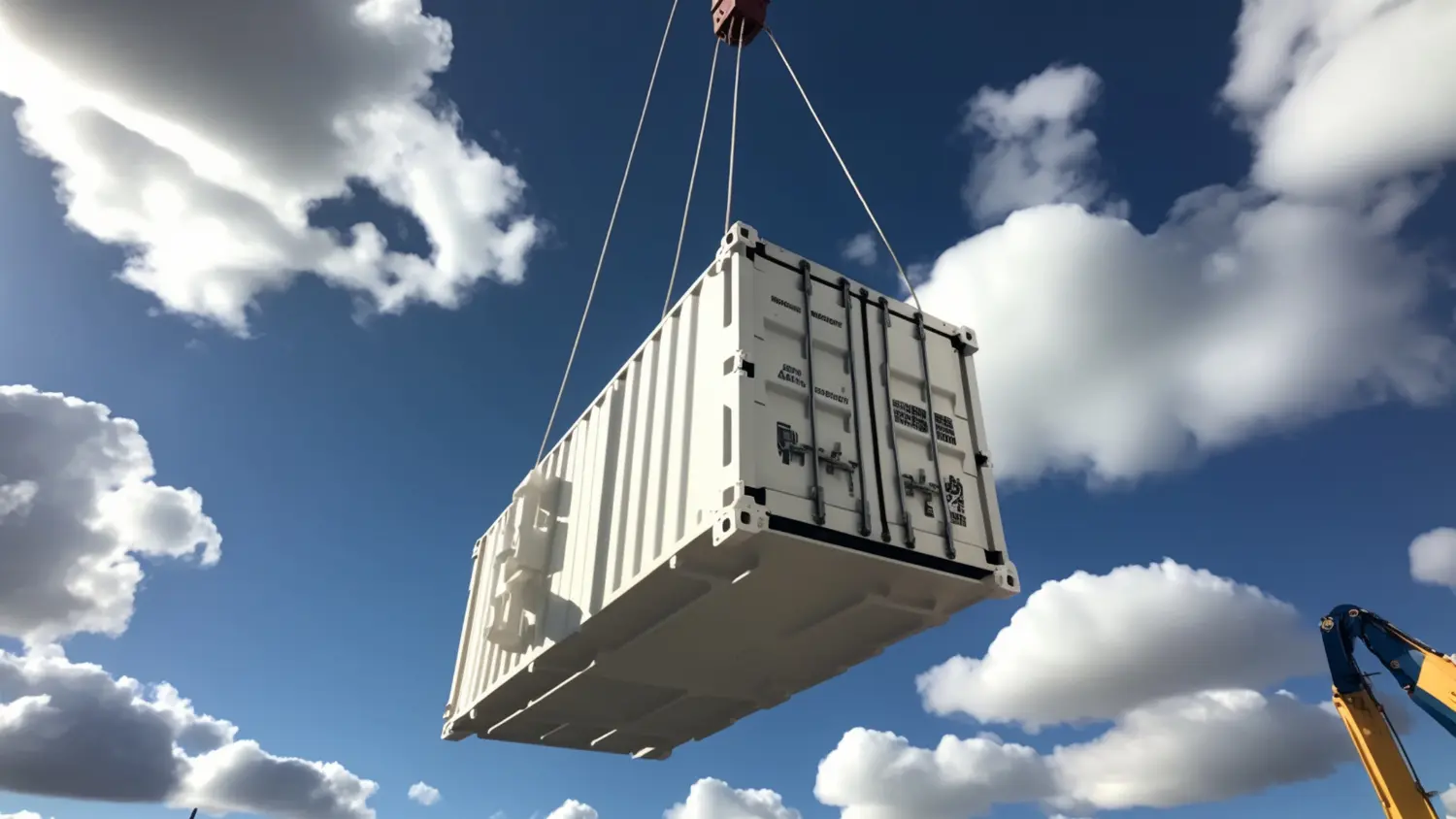
The reefer container shipping guide is essential for businesses that transport goods requiring precise temperature control. Whether shipping pharmaceuticals, fresh produce, or frozen items, understanding how reefer containers work ensures product integrity during transit. These specialized containers come equipped with refrigeration units and backup systems that maintain specific temperature ranges. DarkBlueShipping offers expert insight into selecting the correct reefer type, powering strategies, and transit best practices. Following the guide helps avoid spoilage, regulatory issues, and costly delays. This article walks you through definitions, container types, operation mechanisms, and tips to use reefer shipping effectively.
What Is a Reefer Container?
A reefer container is a refrigerated shipping container used for transporting goods that require temperature control. These containers have built-in cooling units and insulation to maintain temperatures ranging from roughly -35°C to +30°C, depending on the model. They are powered via electrical connections at ports or on ships through terminal “reefer plugs.” Unlike standard containers, reefers handle sensitive cargo like ice cream, vaccines, fruits, seafood, and pharmaceuticals. DarkBlueShipping ensures that their reefer containers are well-maintained, correctly calibrated, and meet regulatory compliance for international routes. Proper maintenance and monitoring are critical for effective reefer container shipping guide practices.
Types of Reefer Containers
Reefer containers come in various configurations tailored for different cargo and routes. Common types include 20’ standard reefer, 40’ high cube, controlled atmosphere reefers, and super-freezers capable of maintaining ultra-low temperatures like -60°C. Each type serves distinct needs: super-freezers for frozen goods, controlled atmosphere for fruits and produce, high cube for oversized pallets. DarkBlueShipping offers all major types to match cargo requirements. Choosing the correct configuration avoids overcooling or undercooling and minimizes energy and transit costs. Size, insulation, and temperature range are key considerations when selecting a container.
Powering and Operating Reefers
Effective reefer container shipping requires reliable power and robust operation. Terminals must provide three-phase electrical systems (usually 440-460 volts) to run the refrigeration units and backup systems. The compressor and control panel regulate temperature, defrost cycles, and air flow. DarkBlueShipping monitors these systems during loading, transit, and unloading to prevent failures. Refrigerant type, insulation integrity, and external temperature also affect performance. Operators should ensure terminals or ships offer compatible socket systems and voltage stability. Proper handling during loading and unloading, and minimizing door openings, are important for maintaining quality.
What Cargo Uses Reefers?
Many industries depend on reefer container shipping guide information when selecting transport solutions. Pharmaceuticals and medical supplies need tight temperature controls to remain effective. The food industry transports fruits, meat, seafood, dairy, and frozen desserts. Flowers, exotic plant species, and chemicals also benefit from reefer handling. DarkBlueShipping provides classification, cargo prep, and packaging support to maintain quality. Ensuring cargo is pre-cooled, packaged properly, and shipped quickly are vital steps. Matching cargo sensitivity with container type and route helps avoid spoilage and maximizes value.
Advantages & Benefits of Reefer Container Shipping
Reefer container shipping offers significant advantages for shipping perishable and sensitive goods. First, you get temperature control which preserves product integrity throughout long transit stages. Second, modern reefers include reliable systems and backup features, reducing risk. Third, compliance with international standards for food safety and drugs is easier. Fourth, with experienced providers, you can optimize cost by selecting only the temperature range you need rather than over-cooling.
Moreover, using reefer container shipping guide protocols leads to fewer losses due to spoilage or temperature variations. Shippers benefit from better insurance terms and fewer claims. Preserving freshness in food and efficacy in pharmaceuticals leads to higher customer satisfaction and fewer regulatory issues. DarkBlueShipping offers monitoring and performance validation tools so clients can track temperature history and transit conditions. These benefits not only safeguard product quality but also build trust and reliability in competitive cold chain logistics.
Conclusion
Reefer container shipping is essential for industries dealing in perishables, pharmaceuticals, or temperature-sensitive cargo. Following best practices—choosing the right type, ensuring reliable power, maintaining documentation, and using experienced logistics providers—helps protect product quality and reduce customs or transit issues.
Trust the reefer container shipping guide to inform your decisions and optimize your supply chain. For expert support and tailored reefer solutions, contact our specialists at DarkBlueShipping today. Ensure your cargo stays safe, compliant, and delivered with the excellence your business demands.