

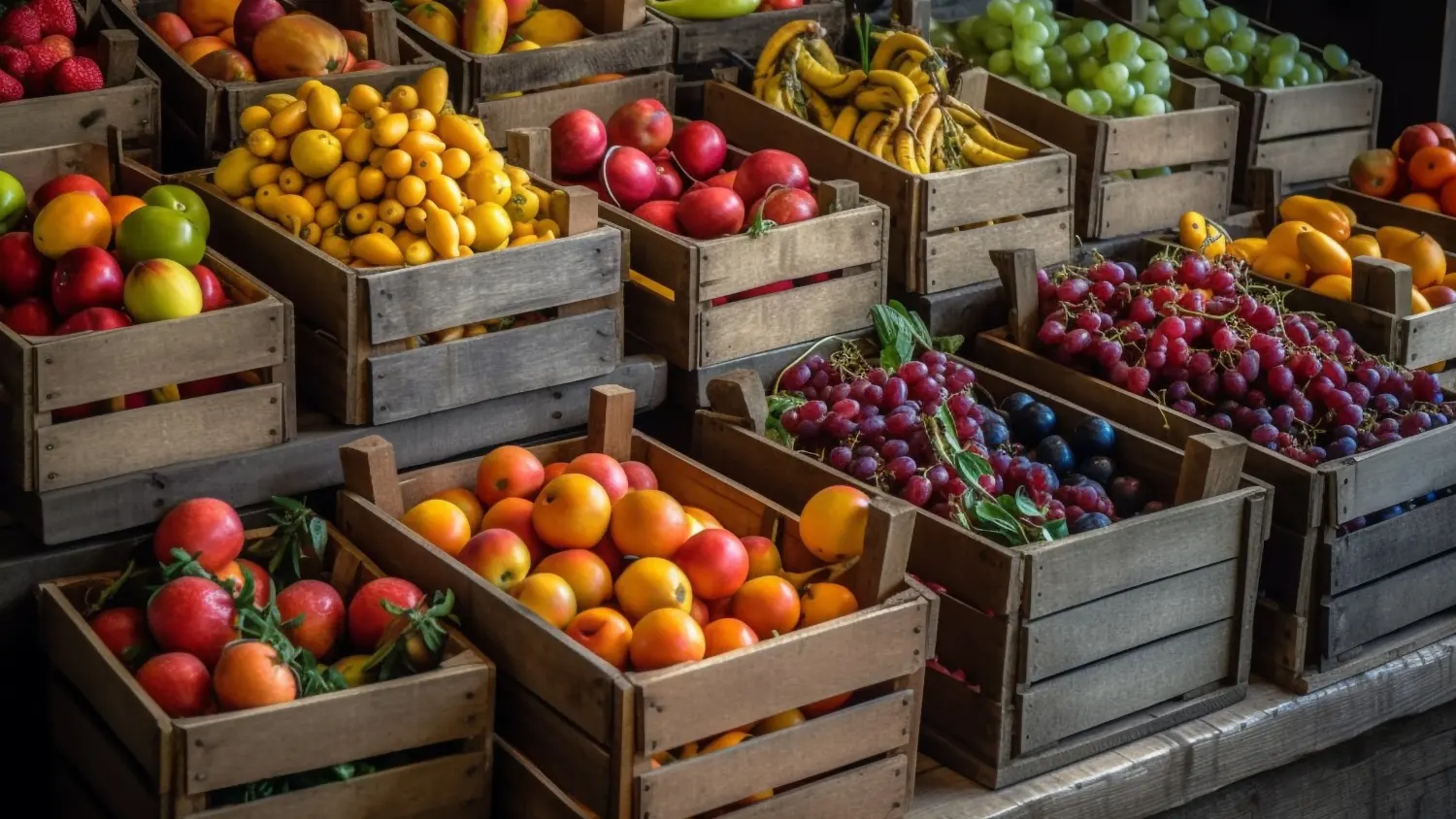
Fresh produce logistics plays a critical role in delivering fruits and vegetables from farms to global markets. Efficient logistics ensure produce maintains its quality, freshness, and safety during transport. Various transportation methods, including air, land, and sea, are employed depending on the perishability and destination. Companies specializing in fresh produce logistics use advanced packaging, temperature control, and monitoring systems to minimize spoilage and reduce losses. Proper handling at every stage—from harvesting to final delivery—is essential to meet regulatory standards and satisfy consumers’ expectations. By optimizing supply chains, businesses can ensure fresh produce reaches markets quickly and in perfect condition.
Transportation Methods in Fresh Produce Logistics
Transporting fruits and vegetables requires careful selection of shipping methods. Air freight is often used for highly perishable produce like berries and asparagus. Though expensive, it ensures short transit times and preserves freshness. Land transport, including refrigerated trucks, suits regional or domestic deliveries, maintaining optimal temperature throughout the journey. Sea freight offers a cost-effective solution for bulk shipments over long distances but requires specialized containers to preserve quality. In all methods, temperature monitoring, humidity control, and proper handling are crucial. By selecting the right transport mode, companies in fresh produce logistics can balance speed, cost, and product quality.
Packaging Techniques for Fresh Produce
Packaging is vital in fresh produce logistics. Crates and pallets are commonly used for bulk items, providing durability and ease of handling. Soft foam inserts with customizable openings protect delicate fruits during transport, reducing bruising. Corrugated boxes help maintain stability, while ventilated containers allow airflow to prevent spoilage. Proper labeling, including “Perishable” markings, alerts handlers to maintain careful handling. The choice of packaging materials and methods depends on the type of produce, distance traveled, and environmental conditions. Well-planned packaging ensures fruits and vegetables arrive in prime condition and reduces waste across the supply chain.
Temperature and Cold Chain Management
Maintaining the cold chain is a cornerstone of fresh produce logistics. Different fruits and vegetables require precise temperature ranges to prevent spoilage and bacterial growth. Refrigerated trucks, containers, and monitoring systems are employed to maintain consistent temperatures. For highly sensitive items, frozen or chilled transport may be necessary. Any break in the cold chain can compromise quality, reduce shelf life, and increase waste. Logistics companies must carefully plan routes, storage, and handling procedures. Effective temperature control enhances produce freshness, ensures regulatory compliance, and satisfies consumer expectations for high-quality fruits and vegetables.
Challenges in International Fresh Produce Logistics
International fresh produce logistics faces multiple challenges. Customs regulations, import/export restrictions, and documentation requirements vary by country. Some fruits, like coconuts, may be banned on flights due to flammability risks. Handling delays or improper storage can reduce quality or cause spoilage. Coordination among multiple stakeholders—including farmers, exporters, carriers, and retailers—is essential. Advanced tracking systems, route optimization, and real-time communication help mitigate these risks. By addressing these challenges, companies can ensure smooth operations and maintain product integrity throughout global supply chains.
Advantages of Professional Fresh Produce Logistics
Partnering with professional fresh produce logistics providers brings significant benefits. Optimized supply chains reduce spoilage and waste, ensuring higher profitability. Specialized transport and packaging solutions preserve freshness and quality, leading to increased customer satisfaction. Advanced tracking and monitoring systems provide real-time visibility, allowing for proactive problem-solving. Efficient logistics improve market reach and allow businesses to expand internationally. Additionally, adherence to regulatory standards minimizes compliance risks. Overall, professional services streamline operations, enhance brand reputation, and deliver fresh produce to consumers in peak condition.
Planning and Preparing for Fresh Produce Shipments
Successful fresh produce logistics starts with meticulous planning. Producers must select appropriate transport methods based on shelf life and distance. Packaging should protect the product while maintaining airflow and temperature control. Scheduling deliveries, coordinating with carriers, and tracking shipments ensure timely arrival. Contingency plans, such as alternative routes or backup refrigeration, help manage unexpected delays. Clear communication among all parties ensures smooth handling and reduces the risk of spoilage. Strategic planning allows businesses to maintain quality, meet consumer expectations, and optimize supply chain efficiency.
Conclusion
Fresh produce logistics is essential for delivering high-quality fruits and vegetables from farms to global markets. By focusing on proper packaging, temperature control, and efficient transport methods, companies can preserve freshness and reduce waste. Overcoming logistical challenges through careful planning and professional services ensures timely delivery, compliance with regulations, and customer satisfaction. Investing in advanced logistics solutions enhances the entire supply chain, enabling businesses to maintain the integrity and quality of fresh produce at every stage of transport.
For expert assistance with your fruit and vegetable shipments, contact the experienced team at DarkBlueShipping. Our specialists are ready to design solutions tailored to your logistics needs.