

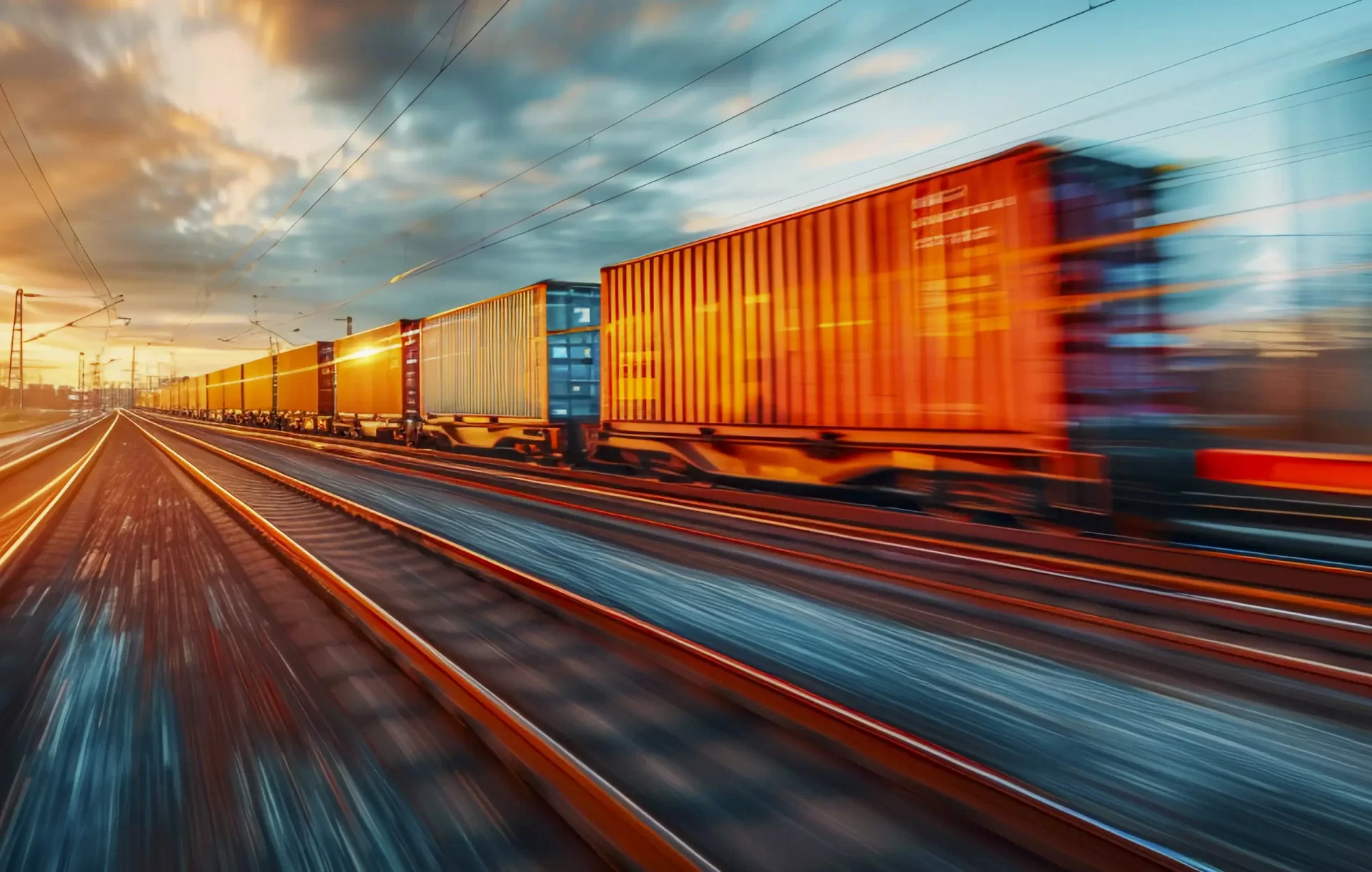
In recent years, the importance of sustainable, efficient, and reliable logistics solutions has become a top priority for businesses and governments across Europe and the UK. Among the various modes of freight transportation, Cross-Channel Rail Freight has emerged as a game-changer, offering a faster, greener, and more cost-effective alternative to traditional road and sea transportation. With significant investments and strategic developments, the future of cross-channel rail freight in the UK looks promising, promising to transform trade links with the European Union and beyond.
What is Cross-Channel Rail Freight?
Cross-Channel Rail Freight refers to the movement of goods via rail transport through the Channel Tunnel (often called the Eurotunnel), connecting the UK directly with European countries such as France, Belgium, and the Netherlands. This mode of freight has long been recognized for its sustainability, speed, and safety advantages, particularly in reducing congestion on roads and lowering carbon emissions.
Despite its potential, cross-channel rail freight had limited development over recent decades due to bottlenecks, infrastructure constraints, and logistical challenges. However, recent strategic investments by the UK government and private sectors are set to revolutionize this industry.
The Significance of the New Government-Backed Deal
A landmark deal announced on February 25th signifies a major step forward for cross-channel freight. Network Rail and its platform development partner, Platform4, are set to take long-term control of the Barking Euro hub in East London, transforming it into a major international logistics hub with an investment of around GBP 15 million.
This infrastructure upgrade is expected to support the return of regular intermodal trains—trains that carry goods in standardized containers—facilitating seamless freight movement between the UK and various European countries, including France, Germany, Italy, and Spain.
The Impact on UK-EU Trade
The revitalization of the Barking Euro hub and other infrastructure improvements are poised to have a profound impact on trade between the UK and the EU. By enabling routine cross-channel rail freight, businesses will benefit from:
- Faster delivery times: Rail freight can significantly reduce transit times compared to ships or trucks, especially for urgent shipments.
- Cost savings: Rail transportation generally offers economical freight options for bulk goods, reducing overall logistics costs.
- Environmental benefits: Rail is a more sustainable mode compared to road freight, with lower carbon emissions per unit of cargo transported.
- Reduced congestion: Moving freight from roads to rail can alleviate pressure on the M20, M2, and Dartford Crossing corridors—major bottlenecks on UK’s road network.
This enhanced logistical capacity aligns with the UK government’s broader strategy to make the rail sector pivotal in sustainable economic growth and trade development.
Why Is Cross-Channel Rail Freight Critical for the UK?
Currently, a small fraction of UK-EU freight travels via rail – the majority still relies on sea routes and road networks. This situation creates dependency on less sustainable and more congested transportation modes, especially in the wake of increasing freight demands.
The renewed focus on cross-channel rail freight will diversify transportation options, making trade more resilient to disruptions like port congestion, strikes, or adverse weather conditions.
Furthermore, the shift to rail aligns with European and UK climate targets, reducing the carbon footprint of international freight—an imperative in combating global warming.
The Role of Great British Railways
The UK government plans to empower Great British Railways to promote and facilitate freight services. As part of this national strategy, rail freight will have a statutory duty to support economic growth, create jobs, and deliver environmental benefits.
This regulatory backing is crucial to incentivize private investments, modernize infrastructure, and streamline regulations—factors that will accelerate the development of cross-channel freight corridors.
The Future of UK-EU Trade with Cross-Channel Rail
With ongoing reforms and investments, the future of cross-channel rail freight in the UK is bright. Key developments to watch include:
- Enhanced infrastructure: Developing strategic sites like Barking Eurohub and other hubs along key corridors.
- Technological innovations: Implementing digital signaling systems and automation to improve efficiency and safety.
- Policy support: Government initiatives aimed at reducing barriers and incentivizing operators.
- Private sector investment: Companies are increasingly recognizing the profitability and sustainability of rail freight.
The anticipated increase in cross-channel rail freight volume will facilitate a seamless, eco-friendly, and resilient supply chain—benefiting UK exporters, importers, and consumers.
How Businesses Can Prepare for the Rail Freight Revolution
For UK-based and European companies alike, understanding and leveraging the emerging opportunities in cross-channel rail freight can provide a competitive edge. Here’s what you should consider:
- Partner with logistics providers: Work with companies that are investing in or specializing in cross-channel rail logistics.
- Stay updated on infrastructure projects: Track developments like Barking Eurohub and other key hubs.
- Optimize supply chain planning: Incorporate rail freight options into your logistics strategy for faster and greener deliveries.
- Invest in digital solutions: Use advanced tracking and management systems to synchronize your logistics operations.
Why Choose DarkBlueShipping for Your Cross-Channel Freight Needs?
As a premier logistics company specializing in international freight solutions, DarkBlueShipping is committed to supporting your business in navigating the evolving landscape of cross-channel rail freight. We offer tailored services that optimize your supply chain, reduce costs, and promote sustainability.
Contact our experts today to learn how we can help you capitalize on the future of cross-channel rail freight and strengthen your trade links with Europe.
Final Thoughts
The future of Cross-Channel Rail Freight in the UK is set to redefine international trade, making it faster, greener, and more efficient. With strategic investments, government backing, and technological advancements, businesses have unprecedented opportunities to enhance their logistics operations. As the UK and Europe move towards a more sustainable and resilient trade ecosystem, partnering with experienced logistics experts like DarkBlueShipping will ensure you stay ahead in this rapidly evolving landscape.