

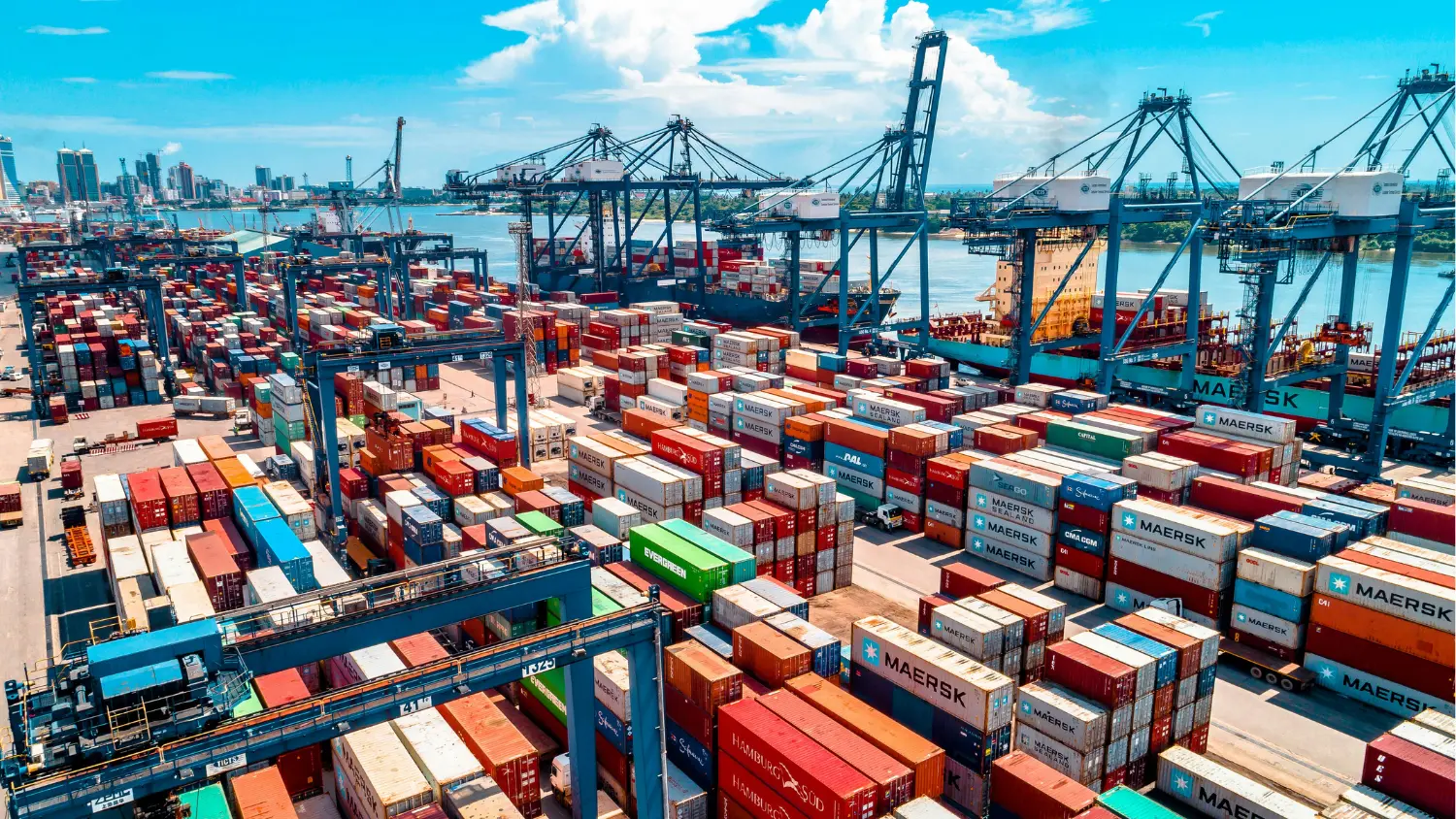
Container Shipping Market in 2026: The global container shipping market is entering a new phase in 2026. After years of disruption caused by supply chain shocks, inflation, geopolitical uncertainty, and changing consumer behavior, major shipping routes are no longer moving in sync.
While some trade lanes continue to show resilience, others are facing weaker demand and growing uncertainty. The contrast between Asia-Europe shipping activity and transpacific container trade has become one of the clearest indicators of how fragmented the global logistics environment has become.
Today, the container shipping market is being reshaped by shifting sourcing strategies, softer consumer demand in key economies, freight rate volatility, and changing trade priorities across regions. For shipping companies, freight forwarders, importers, and exporters, understanding these trends is critical.
The Transpacific Trade Is Losing Momentum
For years, the US market acted as a major driver of global container demand. Asian exporters relied heavily on American consumer spending, especially in sectors such as furniture, electronics, textiles, and household goods. However, demand conditions are now changing.
Importers in the United States have become more cautious. Many companies are reducing inventory levels and avoiding aggressive purchasing strategies due to economic uncertainty and weaker consumer confidence.
As a result, cargo demand from Asia to the US has softened significantly. Shipping volumes on major transpacific routes have declined, particularly for consumer-driven goods categories.
Southeast Asia Continues to Gain Importance
China remains the dominant export powerhouse, but many companies are gradually shifting portions of their production capacity to Southeast Asian countries. Nations such as Vietnam, Thailand, Indonesia, Malaysia, and Cambodia are becoming increasingly important in global supply chains.
For the shipping industry, this creates new cargo flows and changes the strategic importance of regional ports. Instead of relying on a limited number of export hubs, global supply chains are becoming more geographically diversified.
Asia-Europe Shipping Shows Greater Stability
Although Europe continues to face economic pressures such as inflation and slower growth, import demand has remained more stable than expected. European companies appear focused on maintaining supply chain continuity rather than aggressively reducing imports.
Another factor contributing to this resilience is the strategic behavior of European importers. Many businesses learned important lessons from previous supply chain disruptions and now prioritize stability and inventory security over short-term cost savings.
As a result, the Asia-Europe corridor continues to play a crucial role in the global container shipping market.
Freight Rate Volatility Remains a Key Challenge
Ocean freight rates have experienced repeated fluctuations across major trade lanes. In some regions, prices have softened due to weaker demand, while in others, rates have temporarily increased because of carrier capacity management and geopolitical disruptions.
Shipping companies are responding by adjusting vessel deployment, canceling selected sailings, and attempting to control available capacity in order to protect pricing levels. This environment creates uncertainty for importers and exporters. Businesses can no longer rely on predictable freight costs, making long-term logistics planning more difficult.
At the same time, fuel prices, rerouting strategies, and regional disruptions continue to influence shipping costs globally.
Supply Chain Strategy Is Becoming More Flexible
Instead of concentrating production in one country or relying on a single shipping corridor, companies are increasingly focused on flexibility and risk reduction. This strategy often includes supplier diversification, regional manufacturing expansion, and alternative logistics planning.
Shipping companies that can adapt quickly to these structural changes will likely gain a competitive advantage. Data-driven planning, route flexibility, and operational resilience are becoming essential capabilities in modern logistics.
Geopolitical Risks Continue to Influence Ocean Freight
Trade tensions, regional conflicts, changing tariff policies, and disruptions in strategic maritime corridors all influence freight demand and shipping operations. These risks affect not only transportation costs but also shipping schedules, transit times, and long-term investment decisions across the logistics industry.
As global trade becomes increasingly interconnected, shipping companies must navigate both commercial and political uncertainty at the same time. This is one reason why the container shipping market in 2026 appears far more fragmented than in previous years.
The Future of the Container Shipping Market
The current state of the container shipping market suggests the industry is moving through a structural transition rather than a temporary slowdown. In the container shipping market, trade routes are evolving differently based on regional demand patterns, sourcing decisions, and geopolitical developments. The idea that all major shipping corridors in the container shipping market will grow at the same pace no longer reflects market reality.
Instead, the industry is entering a period defined by selective growth, uneven demand, and continuous adaptation. Companies that embrace flexibility, diversify risk, and respond quickly to changing market conditions will be best positioned for long-term success.
Conclusion
As trade patterns continue to change, having the right shipping and logistics partner is more important than ever. At DarkBlueShipping, our experts help businesses navigate global freight challenges with reliable, flexible, and data-driven shipping solutions tailored to modern supply chain demands.
If your company is looking for smarter ocean freight strategies and dependable logistics support, contact the DarkBlueShipping team today to discuss how we can support your global shipping operations.