

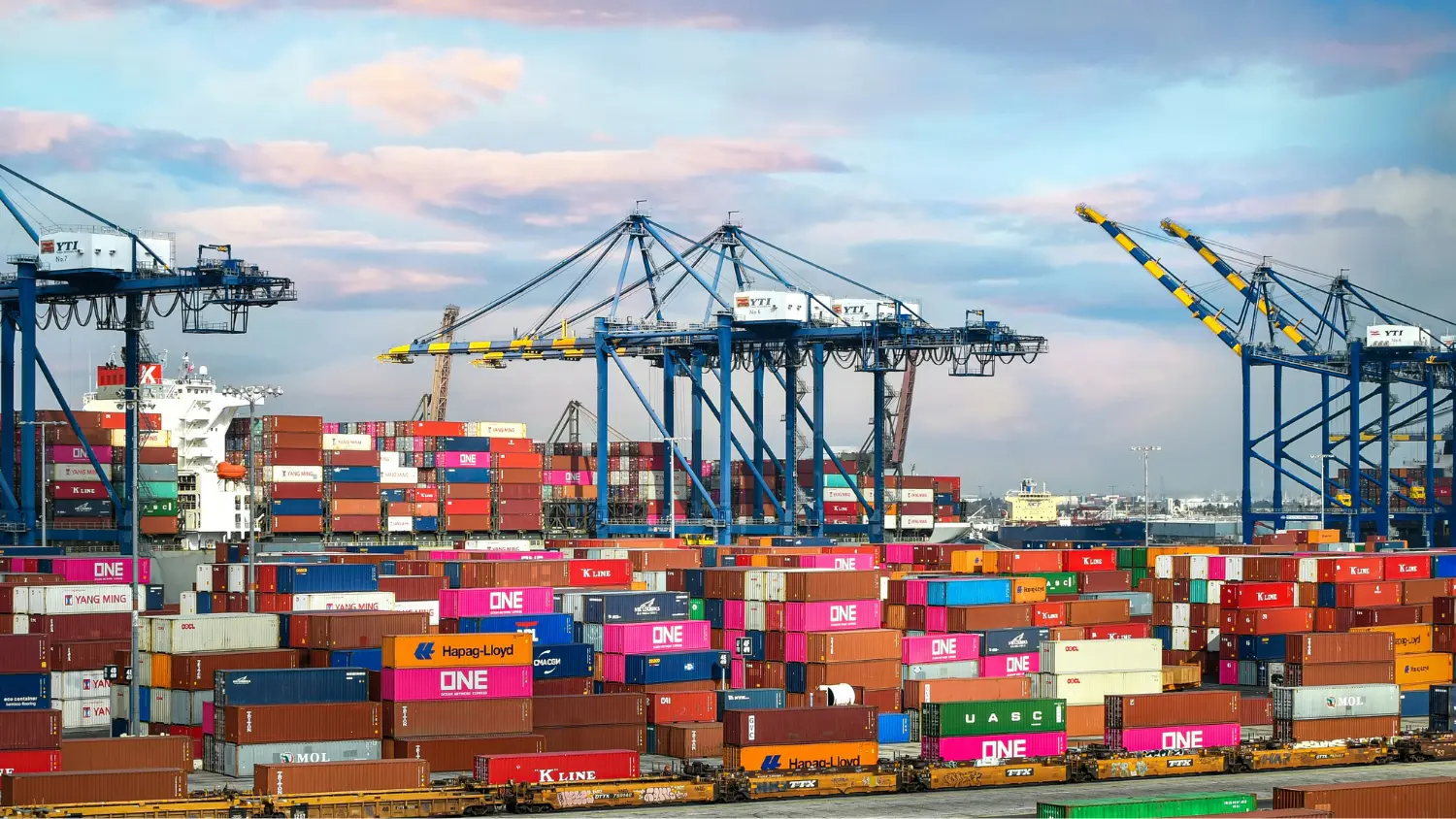
In an era defined by geopolitical shifts, fluctuating fuel prices, and unpredictable consumer demands, the concept of global logistics has evolved far beyond simple transportation. For modern enterprises, logistics is no longer a back-office function; it is a critical competitive advantage.
Whether you are a manufacturer moving raw materials or a retailer distributing finished goods, the efficiency of your international supply chain dictates your bottom line. But how can businesses navigate this volatile landscape and ensure seamless operations?
Understanding the Core of Global Logistics in a Volatile Market
At its essence, global logistics encompasses the entire process of planning, implementing, and controlling the efficient flow and storage of goods, services, and information across international borders. Unlike domestic logistics, the global scale introduces layers of complexity: customs regulations, varying legal frameworks, currency fluctuations, and multi-modal transit challenges.
As highlighted in recent industry analyses, freight forwarders and logistics providers are currently in a period of intense adaptation. The market is no longer predictable. Companies that rely on “business as usual” models are finding themselves vulnerable to sudden bottlenecks. To thrive, businesses must shift from a reactive mindset to a proactive, strategic approach.
The 3 Pillars of a Resilient Global Supply Chain
To maintain a competitive edge, enterprises must focus on three fundamental pillars: Visibility, Agility, and Diversification.
1. End-to-End Visibility through Digitalization
The days of tracking shipments via phone calls and manual spreadsheets are over. In modern global logistics, real-time data is the gold standard. Visibility means knowing exactly where your cargo is, its temperature (for sensitive goods), and its estimated time of arrival (ETA) at any given second.
Implementing digital tools allows companies to anticipate delays before they become crises. When you have visibility, you can inform your customers accurately, maintaining trust even when disruptions occur.
2. Operational Agility and Risk Mitigation
Agility is the ability to pivot when the unexpected happens. A port strike in one hemisphere or a canal blockage in another should not paralyac your entire operation. An agile logistics strategy involves:
- Multi-modal capabilities: The ability to switch seamlessly between sea, air, rail, and road.
- Buffer Management: Strategic use of warehousing to mitigate lead-time uncertainties.
- Scenario Planning: Developing “Plan B” and “Plan C” for high-priority trade lanes.
3. Diversification of Trade Lanes and Partners
Over-reliance on a single route or a single mode of transport is a significant risk. Diversifying your logistics footprint ensures that if one corridor becomes unviable due to geopolitical tensions or economic shifts, your supply chain remains functional.
The Role of Freight Forwarders in the Modern Era
Many businesses ask: “Why do we need a specialized international shipping partner when we can manage it ourselves?”
The answer lies in the complexity of global logistics management. Professional freight forwarders act as the “architects” of your supply chain. They don’t just move boxes; they navigate the labyrinth of international trade compliance, optimize tax implications through correct Incoterms, and leverage economies of scale to reduce your total landed cost.
In a volatile market, a professional partner provides more than just transport; they provide intelligence. They understand the shifting tides of global trade and can guide your company through the complexities of customs, documentation, and multi-country regulations.
Future Trends: What to Expect in Global Logistics
As we move further into 2026, several trends are reshaping the industry:
- AI-Driven Predictive Analytics: Using machine learning to predict port congestion and weather-related delays.
- Sustainability and Green Logistics: Pressure from regulators and consumers to reduce carbon footprints through optimized routing and eco-friendly fuels.
- Decentralized Warehousing: Moving inventory closer to the end consumer to combat the rising costs of “last-mile” delivery.
Conclusion: Turning Logistics from a Cost Center into a Profit Driver
Global logistics is the heartbeat of international commerce. While the challenges of a volatile market are real, they also present an opportunity. Companies that invest in strategic logistics partnerships, embrace digital visibility, and prioritize supply chain resilience will not only survive the turbulence—they will lead the market.
The question is no longer if your logistics strategy will be tested, but when. Is your current supply chain built to withstand the next global disruption?
Optimize Your Global Supply Chain Today
Don’t let logistics uncertainties stall your business growth. Partner with experts who understand the pulse of international trade and possess the tools to navigate even the most complex global markets.
Our team of seasoned international logistics specialists is ready to design a custom, resilient strategy tailored to your specific industry needs. From seamless freight forwarding to comprehensive risk management, we handle the complexity so you can focus on growing your business.