

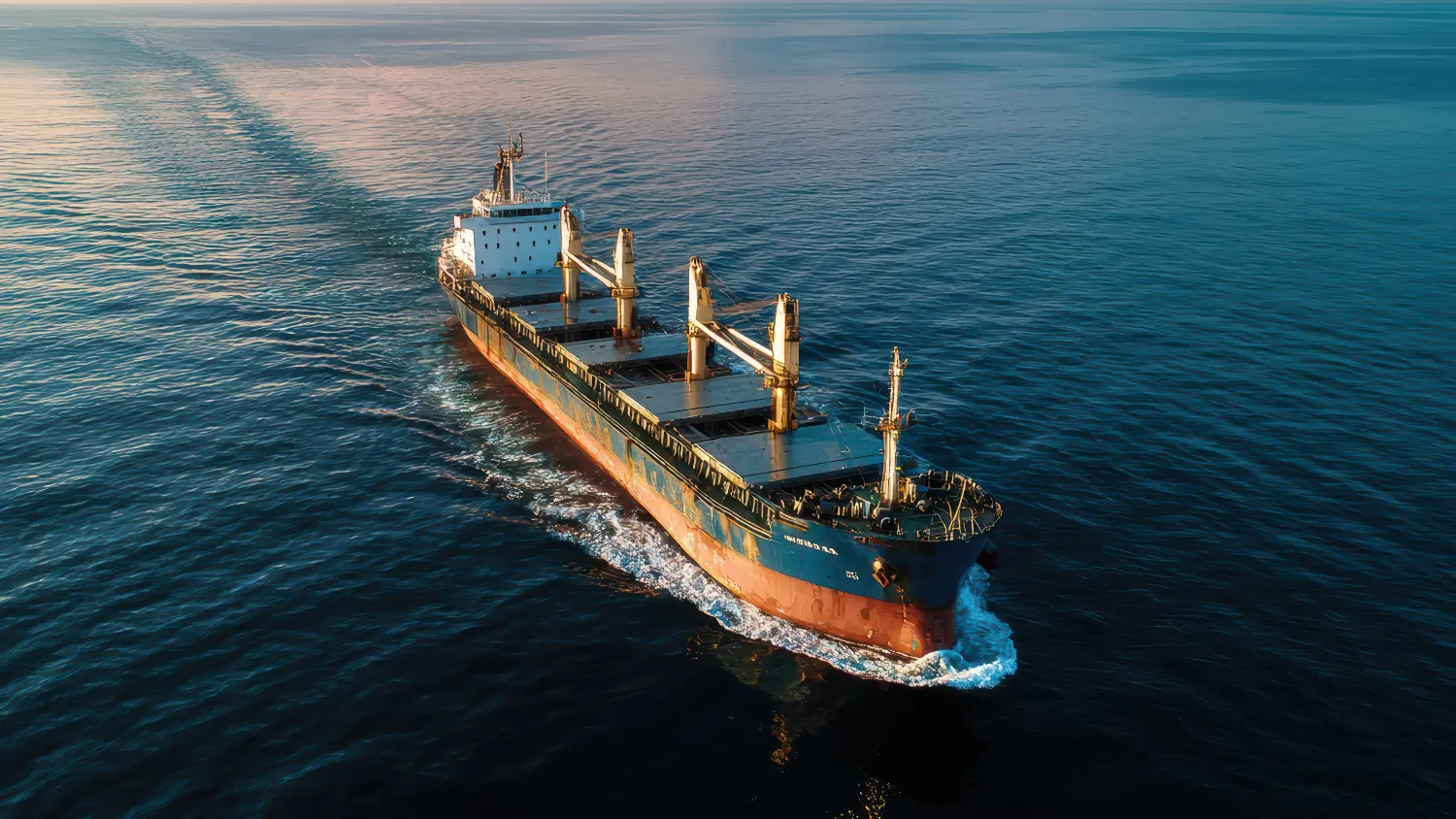
Global trade relies on busy maritime corridors to move raw materials and finished goods efficiently. Specifically, the waters around the Malacca Strait and the Singapore Strait handle vast ocean traffic daily. Many commercial vessels anchor just outside main port boundaries to complete routine maritime tasks efficiently. Therefore, understanding the operational dynamics within Eastern Ports Limits is essential for modern vessel owners.
In these busy offshore corridors, ships often conduct essential transfers and routine maintenance. For example, cargo transfers and bunkering frequently take place in designated anchorage areas. Consequently, choosing the right logistics partner helps fleets avoid unnecessary costs and long port delays. Furthermore, professional coordination ensures every offshore operation remains fully compliant and safe.
In this guide, we explore how smart logistics support transforms offshore operations for global shipping lines.
What Are Eastern Ports Limits in Global Shipping?
Maritime trade routes require designated waters where vessels can wait, reload, or receive supplies. The area known as Eastern Ports Limits serves as a vital anchorage hub in Southeast Asia. Located near major international shipping lanes, this region offers safe transit zones for global fleets. As a result, hundreds of commercial ships utilize these anchorage areas every single week.
First, these boundary zones provide strategic resting points for long-haul commercial vessels. Ships awaiting orders or berths can drop anchor safely without entering busy inner port basins. In addition, these locations allow operators to perform necessary repairs and equipment inspections smoothly.
Second, offshore anchorage zones reduce overall operational friction for growing maritime fleets. By staying outside congested port channels, vessel captains maintain operational flexibility. Therefore, maritime managers continuously rely on these strategic water limits for routine fleet management.
The Strategic Role of Off-Grid Anchorage Zones
Offshore anchorage locations within Eastern Ports Limits play a crucial role in modern ocean logistics. Specifically, vessels often require temporary positioning while waiting for updated charter contracts. Positioning ships inside Eastern Ports Limits reduces heavy port dues and simplifies daily ship management. Consequently, shipowners protect their operational budgets while maintaining full fleet readiness.
Moreover, these offshore zones act as ideal staging locations for ship-to-ship (STS) cargo transfers. Tankers and bulk carriers often transfer liquid or dry cargoes between vessels offshore. When managed properly, STS operations speed up supply chain timelines significantly.
However, conducting offshore transfers requires careful coordination with experienced maritime logistics providers. Without skilled local management, vessels face weather hazards and scheduling conflicts. Thus, reliable onshore teams ensure smooth communications between ship crews and port authorities.
Key Operational Services Outside Port Boundaries
Offshore maritime hubs offer far more than simple anchorage points for commercial cargo ships. In fact, vessels receive a wide variety of essential husbanding services while anchored offshore. These support services ensure ships remain fully operational during long oceanic journeys.
First, bunkering operations within Eastern Ports Limits supply vessels with essential fuel and lubricants right at sea. Logistics teams deliver clean fuel efficiently, keeping global supply chains moving without interruption. Second, crew change services across Eastern Ports Limits allow seamless rotation of mariners via specialized launch boats. Consequently, vessel owners keep their crew members safe and compliant with international labor standards.
Furthermore, off-port supply boats deliver fresh provisions, technical spare parts, and clean water daily. As a result, captains stock their ships without wasting time in crowded terminal berths. Professional supply chain handling guarantees every delivery arrives safely alongside the vessel.
Advantages and Benefits of Professional Offshore Support
Partnering with an experienced maritime service provider offers massive strategic advantages to ship operators. First, expert vessel agencies streamline communication across all marine supply chain links. They manage local regulations, schedule service vessels, and monitor local weather conditions continuously. Therefore, vessel captains can focus entirely on ship safety and navigation.
Second, professional offshore support reduces turnaround times for commercial merchant fleets. Instead of waiting days for port availability, vessels complete essential tasks directly at anchorage. This swift execution minimizes fuel consumption and lowers daily charter expense ratios significantly. Additionally, customized logistics packages allow shipowners to pay only for necessary services.
Furthermore, specialized offshore agencies offer comprehensive emergency support and rapid technical response. If a vessel encounters technical issues at sea, expert teams deploy qualified technicians immediately. They deliver critical replacement components directly to the anchorage site without delay. Consequently, ship operators avoid costly vessel downtime and protect delicate cargo schedules effectively. Ultimately, this level of proactive service safeguards both corporate assets and valuable client relationships.
Ensuring Compliance and Safety in Offshore Waters
Safety remains the highest priority for all maritime operations conducted in open water boundaries. Because offshore anchorage zones handle high traffic volumes, strict adherence to safety protocols is mandatory. Local maritime authorities monitor water traffic to prevent collisions and protect delicate marine ecosystems.
Therefore, ship operators must partner with local agencies that prioritize international marine safety regulations. Professional agents verify that all bunker barges and support vessels meet strict environmental standards. In addition, they ensure all ship-to-ship operations comply with international safety guidelines.
Moreover, clear documentation is vital for smooth maritime transactions in these shared waters. Experienced agency teams handle customs documentation, port clearance forms, and safety declarations accurately. As a result, vessel captains avoid regulatory fines and prevent unexpected administrative delays.
Managing Vessel Logistics and Supply Chains Efficiently
Modern global commerce demands absolute precision across every single maritime supply chain phase. When ships pause near major transit hubs, precise timing decides profitability or financial loss. Thus, integrating offshore logistics into broader supply chain strategies creates a strong competitive edge.
For example, real-time tracking systems allow logistics teams to coordinate supply arrivals perfectly. Bunker vessels, launch boats, and inspection teams arrive precisely when the vessel anchors. This seamless timing eliminates idle waiting periods and maximizes daily fleet efficiency.
Furthermore, reliable local agents provide clear pricing structures and transparent operational updates. Shipowners receive frequent reports, ensuring complete visibility over every offshore service provided. Consequently, maritime companies maintain total financial control while keeping their vessels moving globally.
Conclusion
Navigating global trade routes requires smart operational strategies and dependable maritime partners. Strategic anchorage areas within Eastern Ports Limits offer essential flexibility for modern shipping lines. From bunkering and crew changes to offshore cargo transfers, these zones keep global commerce moving efficiently. By choosing a dedicated logistics partner, ship operators protect their operational schedules and maximize profitability.
Are you looking for reliable vessel agency and offshore support for your global fleet? Contact our experts at Dark Blue Shipping today to optimize your maritime operations with complete confidence!