

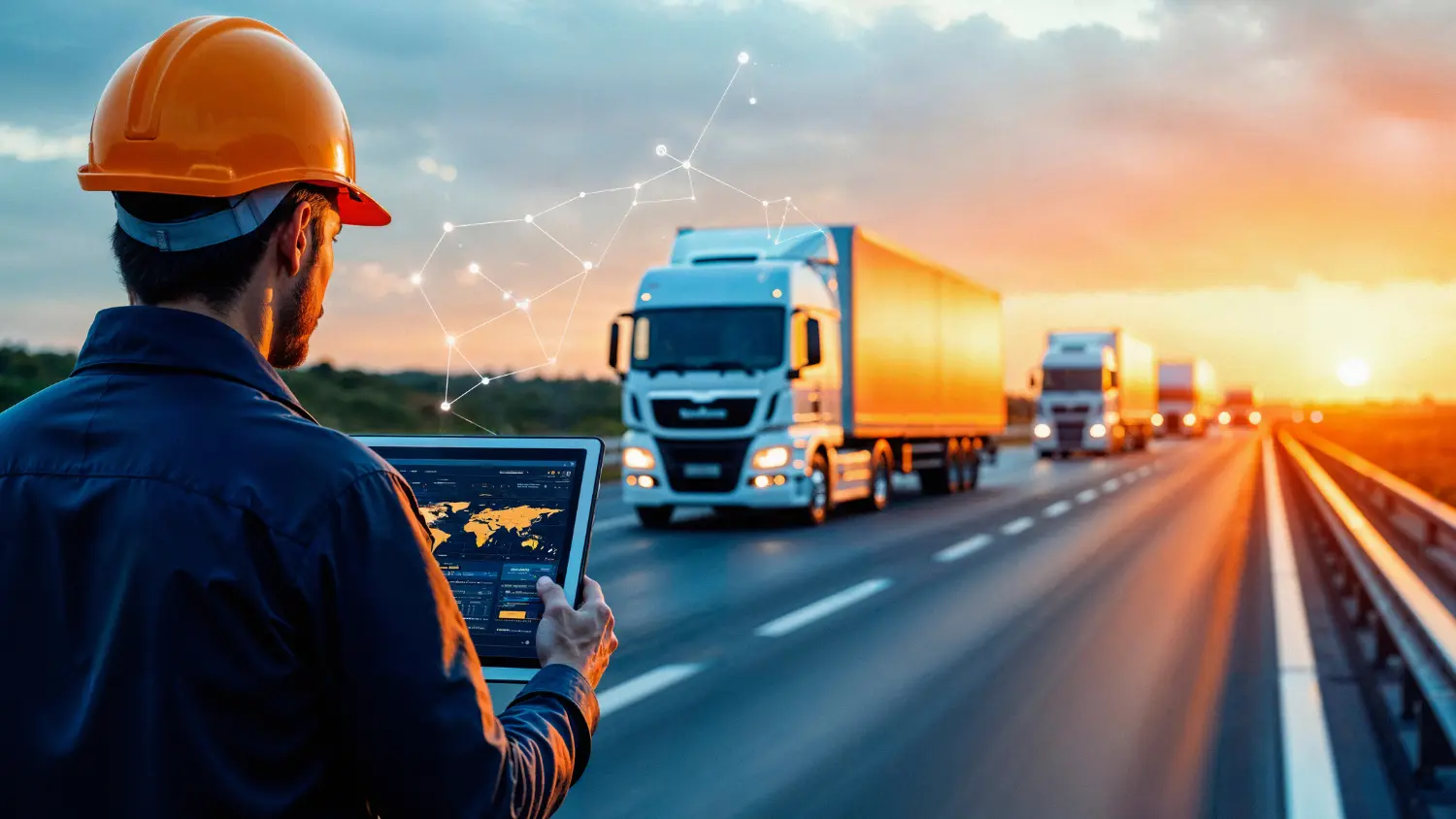
Autonomous Trucking AI CES 2026 revealed a turning point for global logistics. The event showed how software, artificial intelligence, and data now shape commercial vehicles. Trucks are becoming digital platforms, not just machines. As a result, freight operations gain new efficiency and safety levels. Moreover, autonomous systems are moving from testing into real-world use. Industry leaders presented software-defined vehicles that evolve through remote updates.
These systems reduce recalls and shorten development cycles. Meanwhile, AI enables predictive maintenance, optimization, and better decision-making. For logistics companies, these changes matter now, not later. Autonomous Trucking AI CES 2026 proved that autonomy and intelligence will soon support daily freight movements. Consequently, forward-looking carriers and shippers must prepare for a connected future.
Software-Defined Trucks Lead the Transformation
Autonomous Trucking AI CES 2026 highlighted the rise of software-defined vehicles. These trucks rely on digital architecture more than mechanical parts. As a result, manufacturers can deliver upgrades remotely. This approach reduces downtime and improves fleet performance. Moreover, software platforms allow faster innovation cycles. OEMs can introduce safety features without hardware changes. Therefore, development costs decrease over time.
Industry experts also stressed standardization. Shared platforms enable collaboration across manufacturers. Consequently, digital services become more scalable. For logistics firms, this shift means better reliability and flexibility. Fleet managers gain tools to adapt operations quickly. In addition, recalls may decline due to over-the-air fixes. This trend supports safer and smarter freight transport worldwide.
AI at the Core of Autonomous Trucking
Artificial intelligence drove many breakthroughs at Autonomous Trucking AI CES 2026. AI now supports autonomy, maintenance, and route optimization. Furthermore, machine learning detects anomalies early. This reduces breakdowns and costly delays. Vision-language models blend perception with reasoning. These tools help vehicles interpret complex environments. Therefore, safety improves in unpredictable conditions.
AI also personalizes fleet operations. For example, algorithms adjust driving behavior based on cargo type. As a result, fuel efficiency increases. Additionally, predictive maintenance cuts repair costs. Fleets can service trucks before failures occur. Overall, AI enhances operational resilience. Logistics companies that adopt these tools gain a clear advantage.
Partnerships Accelerate Autonomous Deployment
Collaboration stood out during Autonomous Trucking AI CES 2026. Technology developers and OEMs announced major alliances. These partnerships aim to scale autonomous trucking faster. Suppliers integrate sensors, software, and AI systems. Consequently, production-ready solutions emerge sooner. Industry leaders emphasized ecosystem cooperation. Shared expertise reduces technical risks.
Moreover, cloud platforms support simulation and validation. This speeds up autonomous development cycles. As a result, deployment timelines shrink. For freight operators, these alliances mean earlier access to proven systems. Therefore, autonomy shifts from concept to commercial reality. Such cooperation supports global adoption of intelligent trucking solutions.
From Electrification to Autonomy Focus
Autonomous Trucking AI CES 2026 showed a clear pivot. Electrification drew less attention than before. Instead, autonomy dominated discussions. Regulatory rollbacks slowed zero-emission investments. Meanwhile, autonomous vehicles gained momentum. Exhibitors showcased self-driving tractors and robotaxi services. However, freight autonomy gained stronger interest.
Industry leaders stressed business viability. Autonomous trucking now delivers real value. It improves safety and productivity. As a result, carriers prioritize autonomy over electrification. This shift reflects market realities. Logistics firms focus on technologies with immediate ROI. Consequently, autonomy leads the innovation agenda.
Safety Validation and Public Trust
Safety remained central at Autonomous Trucking AI CES 2026. Developers emphasized rigorous validation. Although AI accelerates development, testing needs increase. Therefore, simulation tools grow in importance. Data curation ensures accurate system training. Meanwhile, real-world pilots build confidence. Robotaxi deployments improved public trust.
Users now accept autonomy more readily. For freight operations, safety certification is essential. Regulators demand strict compliance. As a result, developers invest heavily in verification systems. These measures ensure reliability. Ultimately, safety validation supports long-term adoption. Trust enables scalability across logistics networks.
Vision Sensors and Environmental Resilience
Advanced sensors gained attention at Autonomous Trucking AI CES 2026. New lidar and camera systems handle harsh conditions. They function during heavy rain or dust. Therefore, autonomous trucks perform better in real environments. Combined sensors reduce system complexity. Manufacturers integrate vision and color sensing.
This improves object detection accuracy. As a result, trucks navigate safely in low visibility. These innovations enhance operational continuity. Freight movements become more dependable. Consequently, logistics firms benefit from fewer disruptions. Environmental resilience strengthens the business case for autonomy.
The Future of Delivery Operations
Autonomous Trucking AI CES 2026 also explored final-mile innovation. Manufacturers showcased automated delivery concepts. Trucks now include robotic conveyance systems. These handle packages autonomously. As a result, delivery efficiency improves. Advanced driver assistance systems support urban navigation. Meanwhile, connected vehicles optimize routing.
AI coordinates last-mile logistics seamlessly. This reduces delivery times. For e-commerce growth, such solutions matter. Logistics providers can meet rising customer expectations. Therefore, autonomy reshapes both long-haul and final-mile delivery.
Advantages and Benefits for Logistics Firms
Autonomous Trucking AI CES 2026 highlighted major benefits. First, autonomy reduces labor shortages. Self-driving systems operate continuously. Second, AI improves fleet efficiency. Routes optimize automatically. Third, predictive maintenance lowers costs. Downtime declines significantly. Fourth, safety increases through real-time monitoring.
Fifth, software updates extend vehicle lifespan. These advantages create strong ROI. Moreover, connected trucks support data-driven decisions. Logistics companies gain better visibility. As a result, service reliability improves. Customers receive consistent delivery performance. This strengthens brand reputation.
Conclusion
Autonomous Trucking AI CES 2026 confirmed a new era for freight. Trucks now rely on software, sensors, and intelligence. These technologies improve safety, efficiency, and scalability. Moreover, partnerships accelerate deployment. AI enhances maintenance and optimization. Public trust continues to grow. For logistics companies, these changes offer immediate value. Autonomous Trucking AI CES 2026 proved that the future has arrived.
At Dark Blue Shipping, we track these innovations closely. Our experts help clients prepare for intelligent logistics. Contact our specialists today to align your operations with the next generation of freight solutions.