

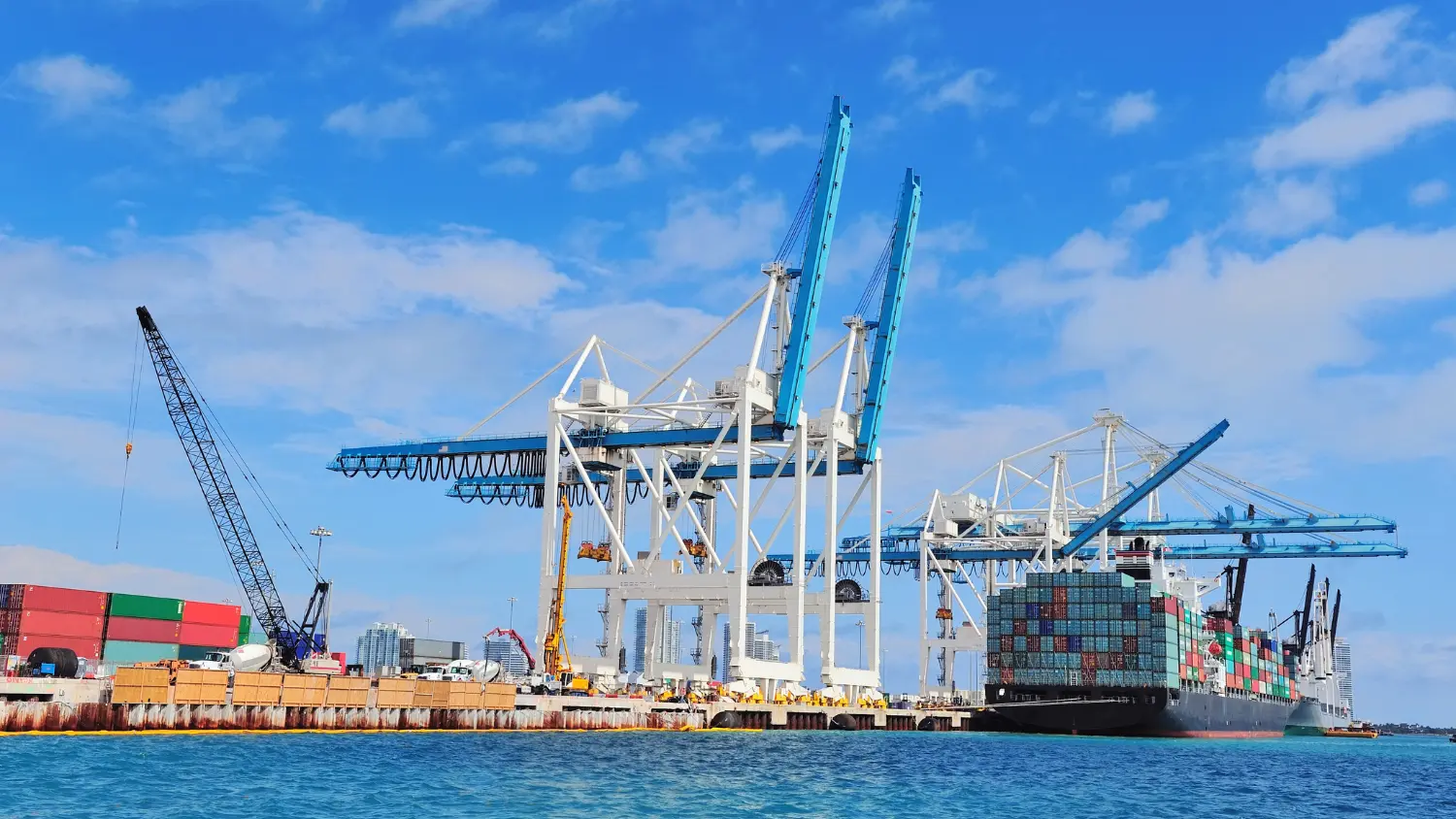
Advantages of sea freight shipping are critical to understand for businesses looking to optimize their international logistics strategies. As a central pillar of global trade, sea freight provides unparalleled capacity, flexibility, and affordability. With over 90% of the world’s trade transported by sea, it remains the most reliable method for moving large volumes of goods across long distances.
Compared to air or land transport, sea freight allows manufacturers and import/export companies to move massive quantities of cargo securely and efficiently. Whether you’re transporting industrial machinery, vehicles, or bulk materials, ocean shipping stands out with its cost-saving benefits and comprehensive global reach. Below, we explore the most impactful advantages of sea freight shipping.
1. Ability to Ship Goods in Large Quantities
One of the major advantages of sea freight shipping is its ability to handle extremely large and heavy shipments. Ships are specifically built to carry tons of goods at once, from oversized industrial parts to construction equipment and even heavy vehicles. The vast cargo capacity eliminates the need for multiple shipments, making sea freight both time- and cost-efficient.
Unlike air freight, where size and weight restrictions limit the types of cargo that can be transported, sea freight offers virtually limitless volume capacity. This makes it ideal for businesses that require consistent delivery of bulk goods, including raw materials and machinery.
Furthermore, by consolidating goods into fewer shipments, businesses can simplify their logistics planning, reduce handling costs, and improve delivery timelines over longer distances.
2. Ability to Ship Dangerous Goods
Another key advantage of sea freight shipping is its compatibility with dangerous or hazardous cargo. International maritime regulations, such as the International Maritime Dangerous Goods (IMDG) Code, ensure that these shipments follow strict safety protocols.
Shipping companies and crew members are trained to handle, store, and transport dangerous goods in compliance with global standards. These include chemicals, flammable materials, and other hazardous substances that would be restricted or prohibitively expensive to ship via air.
The safety measures implemented on vessels—such as reinforced containers, secure packaging, and specialized storage zones—enhance the overall safety of the cargo, crew, and environment.
3. Access to Remote and Inconvenient Destinations
Sea freight shipping enables access to a vast network of global ports, including remote or hard-to-reach destinations. This makes it a vital solution for businesses looking to expand into emerging markets or supply goods to geographically isolated regions.
Many ports are strategically located to facilitate international trade, allowing cargo ships to efficiently transport goods between continents. In contrast to road or rail transport, which may be limited by infrastructure, sea routes offer unmatched global coverage.
This connectivity empowers businesses to scale their operations and cater to a wider audience without being limited by geographical boundaries.
4. Lower Costs for Large Shipments
A major reason why companies prefer ocean shipping is cost-efficiency. One of the standout advantages of sea freight shipping is that it is significantly more affordable compared to air transport, especially for large-volume cargo.
Shipping by sea is typically four to six times cheaper than shipping by air. This is due to lower fuel consumption per unit, reduced taxes, and minimal VAT charges. Additionally, sea freight has fewer size and weight restrictions, avoiding the premiums often imposed by air carriers.
For businesses that operate on tight logistics budgets or need to import/export large quantities regularly, sea freight represents the most economically viable option.
5. Enhanced Safety and Security
Security is another considerable advantage of sea freight shipping. The nature of sea transport allows for safer handling of cargo, particularly hazardous or high-value goods. Vessels are equipped with specialized containers that are locked, sealed, and monitored throughout transit.
Crews aboard cargo ships are highly trained in safety procedures, ensuring that the goods remain secure during long journeys. Regular inspections and compliance with international maritime regulations further reinforce safety standards.
Moreover, insurance options for sea freight are well-established and tailored to cover a wide range of cargo types, offering peace of mind to shippers.
6. Environmentally Friendly Transportation
Sustainability has become a crucial factor in modern logistics, and one of the often-overlooked advantages of sea freight shipping is its lower carbon footprint. Ships consume less fuel per unit of cargo transported than planes or trucks, making sea transport more eco-friendly.
This lower environmental impact contributes positively to global efforts to reduce greenhouse gas emissions. Many shipping lines are also investing in cleaner fuels and more efficient engines to further reduce their carbon footprint.
Businesses seeking to enhance their environmental credentials and align with ESG (Environmental, Social, and Governance) goals often prefer sea freight for long-haul transportation.
Conclusion
Is sea freight shipping the right solution for your business? Given its cost-effectiveness, high capacity, and global accessibility, it’s clear that sea freight plays a critical role in international logistics. Especially for large, heavy, or hazardous shipments, sea freight stands out as the most practical and sustainable option.
For businesses looking to expand their global reach with efficient and secure logistics, sea freight shipping offers unmatched advantages. If you’d like to learn more or get expert advice on your shipping needs, feel free to contact our consultants. We’ll help you design a custom logistics solution tailored to your supply chain.